
LEARNING HUB

Ever wondered why European carp cause so much trouble in our rivers, lakes and wetlands? Or what you’re supposed to do when you actually catch one?
You’ve come to the right place!
Discover why carp are a problem in Victoria, what happens when they disturb freshwater habitats, how to identify and handle your catch, and the important role we can all play in protecting our waterways.
European carp might look like just another fish, but there’s a whole lot more happening beneath the water!
Explore our resources
Victoria’s Underwater Bulldozers
What if one fish could change an entire waterway? Meet the European carp — Victoria’s underwater bulldozer! Discover how these surprisingly powerful fish can turn clear water muddy, uproot underwater plants and disrupt entire ecosystems.
Dive beneath the surface to uncover the damage they can cause, why it matters for our native wildlife and how we can all help protect our precious waterways.
Know Your Catch
You’ve got a bite, the rod’s bending and there’s a fish on the end of your line… but what have you actually caught? Before you celebrate, it’s time to play fish detective! Discover the telltale signs of European carp, learn how to distinguish them from our precious native fish and uncover why getting your identification right is one of the most important steps in responsible fishing. Ready to put your detective skills to the test? Dive in, explore the identifying features and see if you can spot a carp like a pro!.
Dispatch. Dispose. Respect.
You’ve hooked a carp, reeled it in and landed your catch. Nice work! But now comes the really important question… what do you do next? Did you know that in Victoria, it’s illegal to release a live carp back into the water? And that there are specific ways to humanely kill and responsibly dispose of your catch? Discover how to use a fishing priest or the iki jime method, learn what you can and can’t do under Victorian fishing rules, and explore the four simple steps every responsible carp angler should know.
Beyond The Catch
Think carp are just a pest fish with no real value? Think again! From delicious meals and garden fertilisers to carp leather and other surprising products, there’s more to these fish than meets the eye. Discover how carp can be responsibly processed, repurposed and transformed into useful products rather than going to waste. Ready to see carp in a whole new light? Dive in and explore the surprising possibilities beyond the catch!
Learn Beneath the Surface
Ever wondered what’s hiding beneath the surface of our rivers, lakes and wetlands? It’s a whole underwater neighbourhood bustling with life! From tiny waterbugs and native fish to aquatic plants and submerged logs, every part plays an important role in keeping our waterways healthy. Discover how these habitats support wildlife, what happens when they’re damaged and how we can help restore and protect them.
Get Ready To Catch a Carp!
Ready to reel in your first carp? Whether you’re a first-time fisher or looking to sharpen your skills, a little preparation can make all the difference! Discover where carp like to hang out, what bait and fishing gear you’ll need, how to set up your rig and the tricks to getting a bite. Plus, learn how to stay safe, follow the fishing rules and handle your catch responsibly. Ready to cast a line? Grab your gear and let’s get you hooked on carp fishing!
Victoria’s Underwater Bulldozers
They’re tough, adaptable and incredibly successful. So what’s the problem?
Most people see a carp and think, “Just another fish.” But did you know that when carp numbers get out of control, they can change an entire aquatic ecosystem? We’re talking muddy water, disappearing underwater plants and serious problems for our native fish and wildlife. But what’s actually going on beneath the surface?
Let’s dive in and discover why European carp have earned the nickname Victoria’s Underwater Bulldozers!
Victoria’s Underwater Bulldozer Topics
Meet the European Carp
TOUGH, ADAPTABLE AND REMARKABLY SUCCESSFUL!
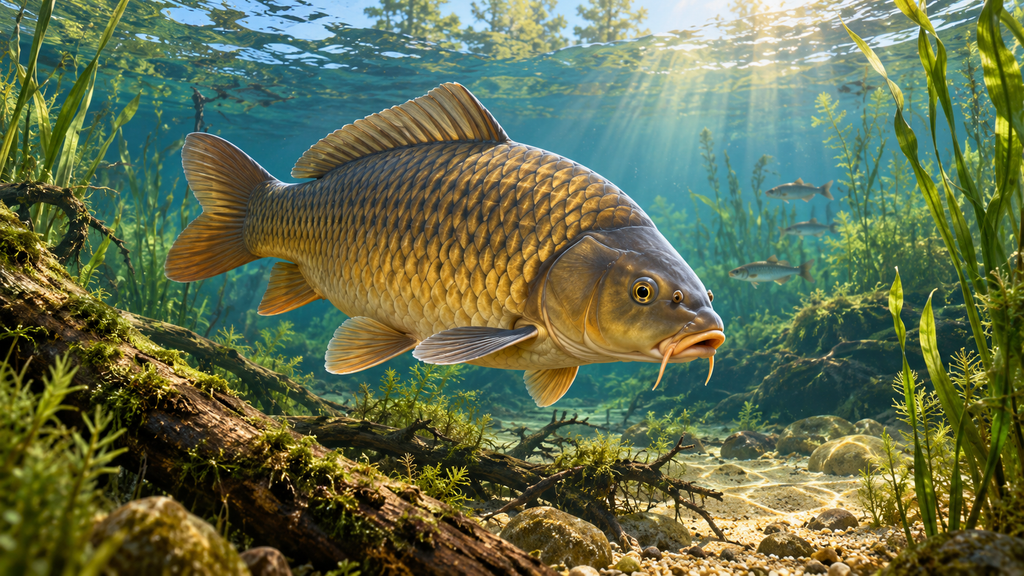
European carp (Cyprinus carpio) were introduced to Australia and have since become widespread throughout many of our rivers, lakes and wetlands. They’re remarkably adaptable fish. Carp can tolerate a wide range of water conditions, survive in environments that many other species find challenging and reproduce rapidly when conditions are favourable.
But there’s a catch
When carp populations become too large, their feeding habits can dramatically change the environment around them. The impacts don’t stop with muddy water — they can affect underwater plants, native fish, aquatic insects and an entire community of wildlife.
And it all starts with how carp feed.
Why Do We Call Them Underwater Bulldozers?
IT ALL STARTS WITH HOW THEY FEED!
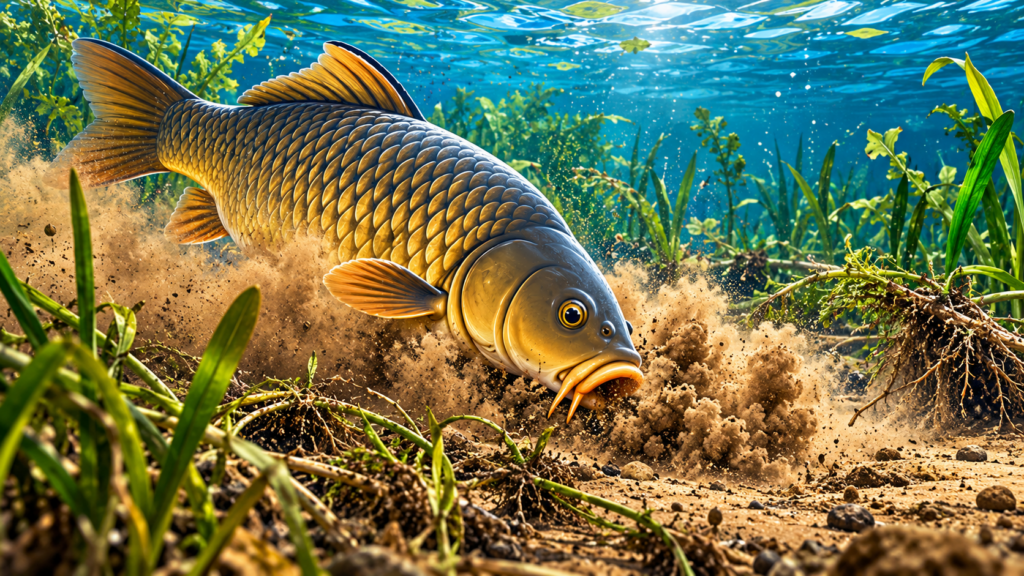
Imagine someone driving a bulldozer through a garden, digging up the soil and disturbing the plants. Now imagine something similar happening underwater.
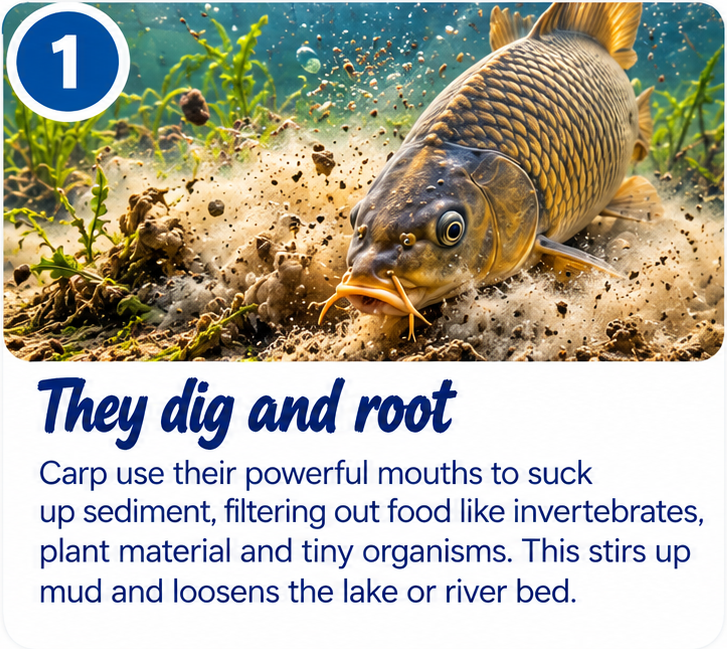
Carp spend much of their time searching for food along the bottom of rivers, lakes and wetlands. They use their specially adapted mouths to suck up sediment and search for tasty morsels such as insect larvae, worms, plant material and other small organisms.
As they rummage around, they stir up fine particles of mud and sediment from the bottom. One carp might create a small cloud of mud. But imagine hundreds, or even thousands, of carp feeding in the same area.
The result? A whole lot of disturbed sediment!
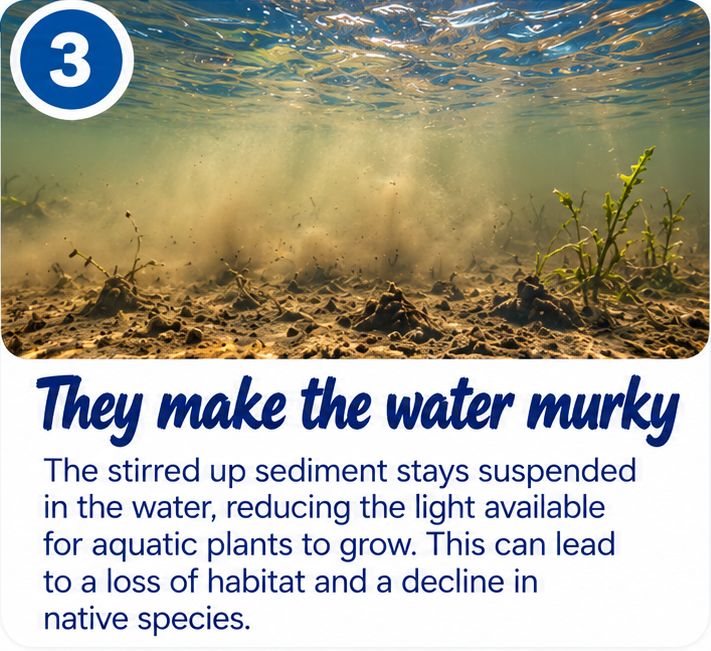
These tiny particles can remain suspended in the water, making it increasingly cloudy.
Scientists call this cloudiness turbidity.
What is turbidity?
Turbidity describes how cloudy or murky water becomes when tiny particles are suspended in it.The more suspended particles there are, the harder it is for sunlight to pass through the water. And that’s where the real trouble begins.
When The Water Turns Muddy, the Problems Begin
IMAGINE TRYING TO GROW A GARDEN WITHOUT SUNSHINE!
Just like the plants growing in your backyard, underwater plants need sunlight to survive. They use sunlight to make energy through a process called photosynthesis. But when carp disturb sediment and make the water cloudy, sunlight struggles to reach the plants growing beneath the surface. And without enough light, those plants can have trouble growing. Over time, fewer healthy underwater plants can mean less food, shelter and habitat for other aquatic animals.
But cloudy water isn’t the only problem.
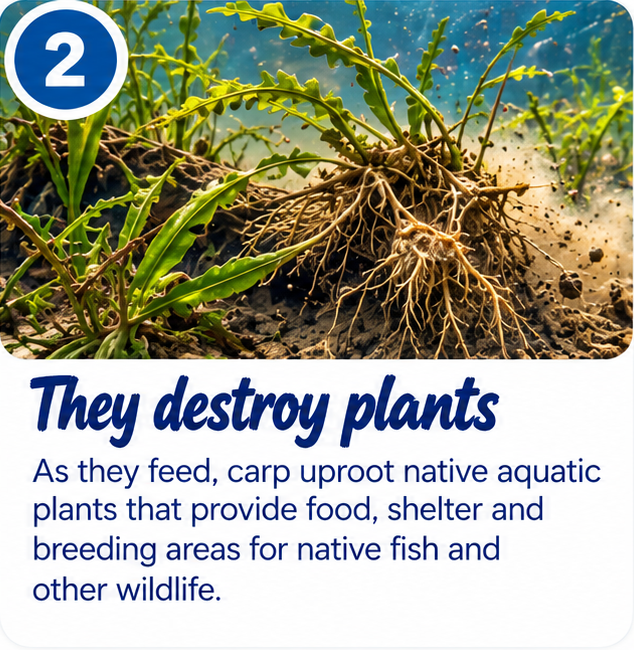
As carp search for food, they can also uproot, dislodge and damage aquatic vegetation.
How Carp Change Our Waterways
Less sunlight reaches underwater plants
Existing plants can be physically damaged or uprooted.
When vegetation becomes sparse, sediment may also be more easily disturbed by water movement and other activities.
This can make it even more difficult for a damaged aquatic habitat to recover.
The underwater garden starts to disappear, and the animals that depend on it can be left without a home.
What is turbidity?
Turbidity describes how cloudy or murky water becomes when tiny particles are suspended in it.The more suspended particles there are, the harder it is for sunlight to pass through the water. And that’s where the real trouble begins.
What Happens If The Plants Disappear?
UNDERWATER PLANTS MIGHT NOT LOOK LIKE MUCH BUT THEY ARE INCREDIBLY IMPORTANT
Imagine your local neighbourhood without trees, gardens, parks, homes or places to find food. It wouldn’t be a particularly welcoming place to live, would it? Well, our freshwater animals face a similar problem when underwater vegetation disappears. Aquatic plants help create underwater neighbourhoods — places where native fish and other aquatic animals can shelter, find food, reproduce and raise their young.
These plants provide much more than a pretty underwater landscape.
A place to hide
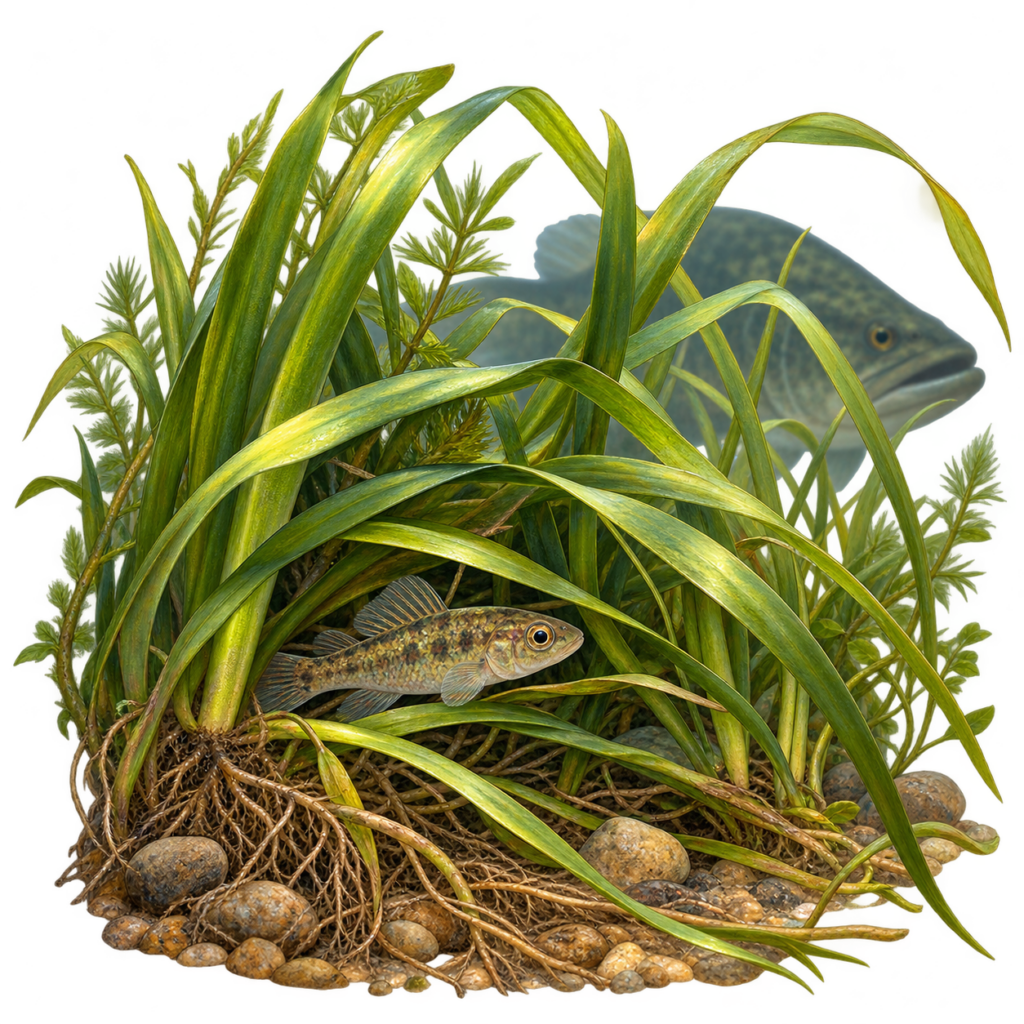
Small fish can shelter among stems, leaves and roots, helping them avoid larger predators.
A place to find food
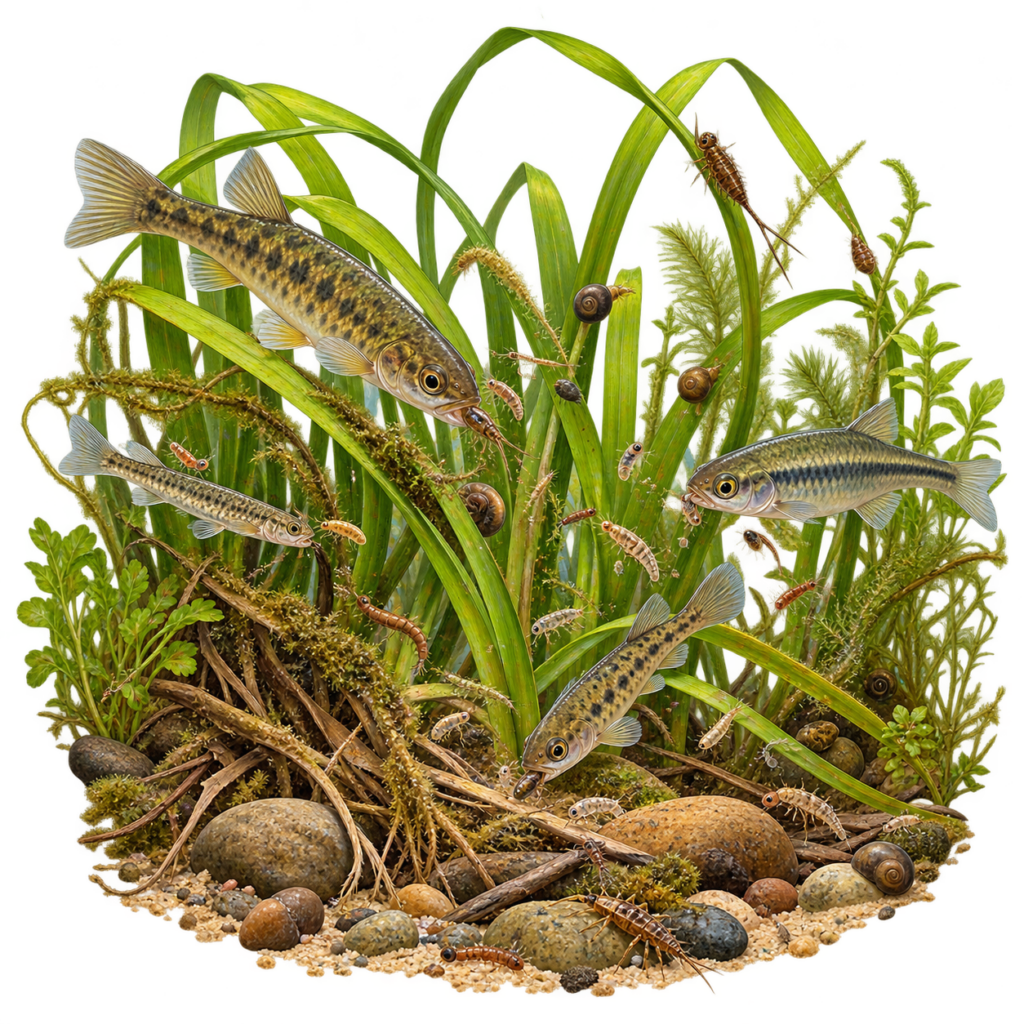
Aquatic plants provide habitat for waterbugs, insect larvae, snails and other small organisms that fish feed on.
A place to breed
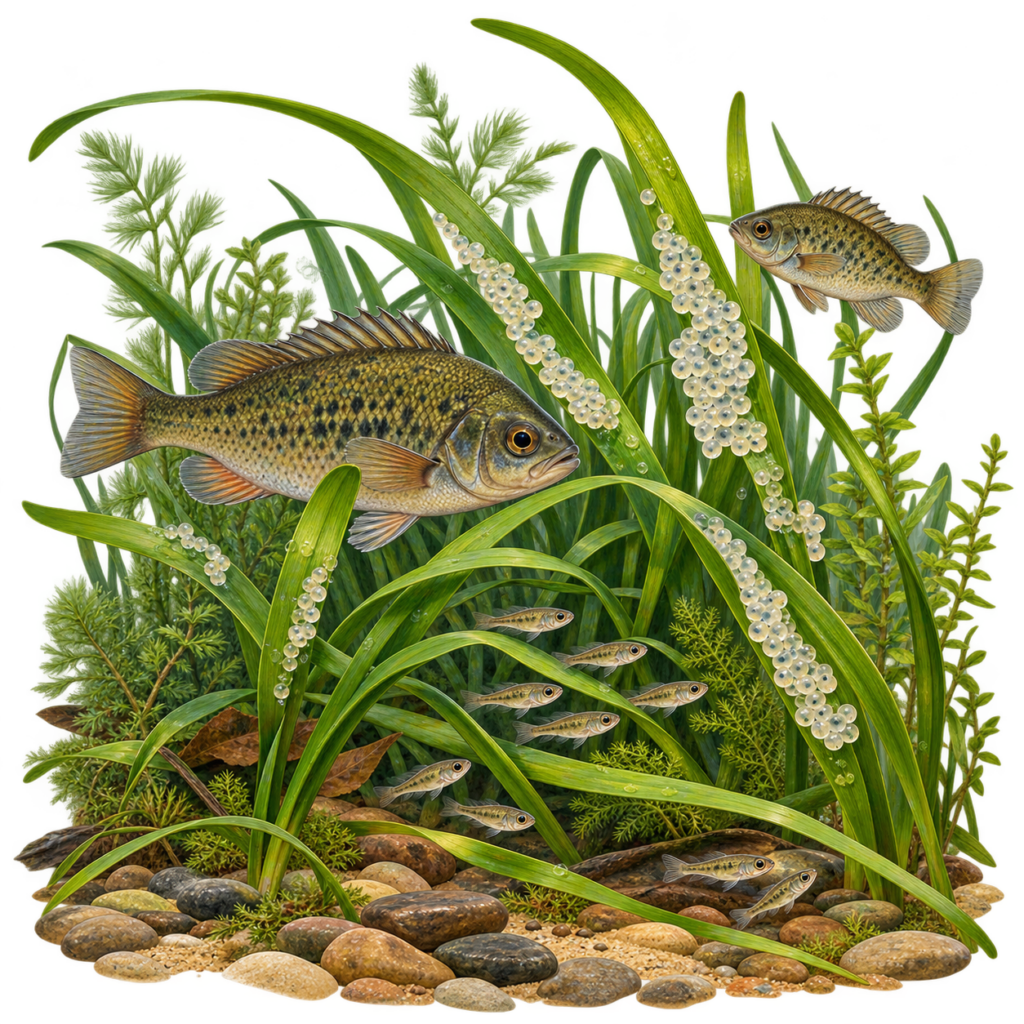
Some native fish use aquatic vegetation as spawning habitat, while others depend on sheltered areas for their young to grow.
A healthier environment
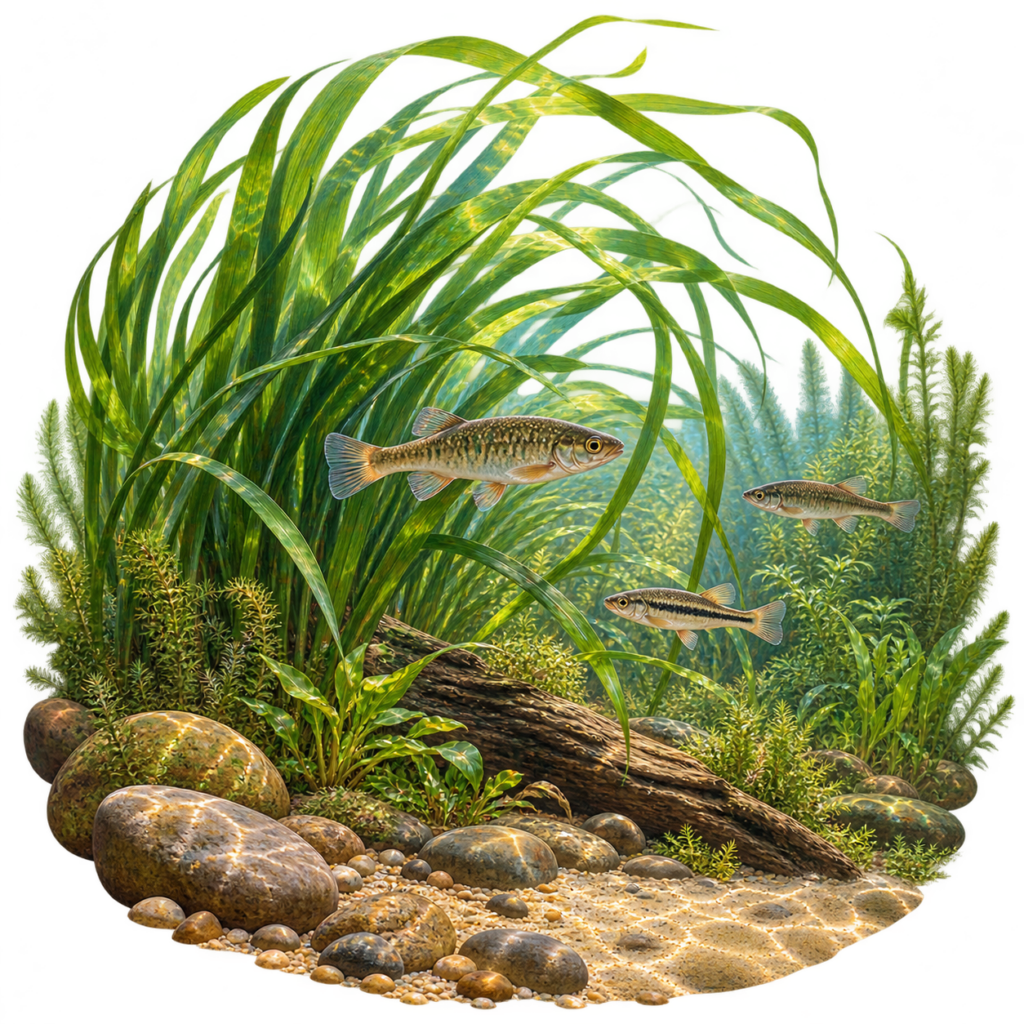
Aquatic plants can help stabilise sediment, support nutrient cycling and contribute to healthy aquatic ecosystems.
What happens when that neighbourhood disappears?
When carp feeding damages aquatic vegetation, those valuable underwater spaces can begin to disappear. Small fish may lose their hiding places. Aquatic insects may lose habitat. Young fish can become more exposed to predators. And without healthy vegetation, there may be less food available for the animals that depend on these environments. It’s a bit like removing all the houses, gardens and parks from a neighbourhood and expecting everyone to carry on as normal.
Healthy underwater plants mean healthier homes for native aquatic wildlife!
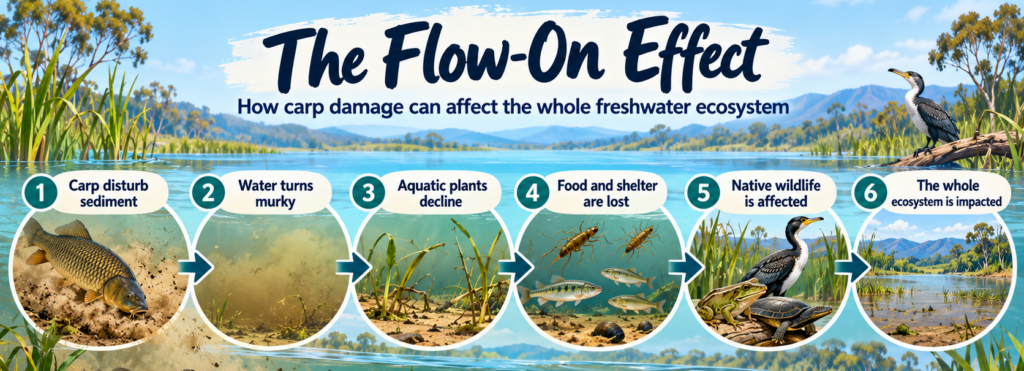
The Flow On Effect
IT’S NOT JUST ABOUT THE FISH
Now, let’s put everything together. We’ve got muddy water, damaged plants and disappearing habitat.
And here’s the important part……..
It doesn’t just affect the fish!
Freshwater ecosystems are made up of interconnected communities. Native fish, frogs, turtles, aquatic insects and waterbirds all rely on waterways in different ways. Some depend on underwater plants for shelter. Others feed on small aquatic animals that live among the vegetation. Waterbirds and other predators may depend on healthy fish populations for food. When habitats become damaged, the effects can flow through the entire ecosystem.
A closer look at the ripple effect
Native Fish
Carp can compete with native species for food and habitat. Changes to vegetation and water quality can also affect the conditions native fish need to survive and reproduce.
Waterbugs and aquatic insects
These tiny animals are an essential part of freshwater food webs. When habitat changes, their abundance and diversity can also change, affecting animals that feed on them.
Frogs and turtles
Healthy freshwater habitats provide feeding areas, shelter and connections between aquatic and surrounding environments. Habitat degradation can place additional pressure on these animals
Waterbirds
Many waterbirds rely on wetlands for food and shelter. When aquatic vegetation and the animals living among it decline, their feeding habitats can be affected too.
Is every muddy waterway caused by carp?
Not necessarily!
Water can become cloudy for several reasons, including rainfall, flooding, erosion, livestock activity and other environmental disturbances.Carp are an important contributor to turbidity in many affected waterways, particularly where their populations are large.
Understanding the difference matters because improving waterway health requires us to look at the bigger picture.
What Can We Do About It?
THERE IS NO SINGLE QUICK FIX – BUT THERE IS PLEANTY WE CAN DO!
European carp have become established across large parts of Australia’s freshwater systems. And because they’re so adaptable and can reproduce in large numbers, managing their populations is a major challenge. Scientists, fisheries authorities, environmental organisations and local communities are working to better understand carp and develop ways to reduce their environmental impacts. These efforts include carp control, scientific research, habitat restoration and community education.
But here’s the important part
Protecting our waterways isn’t just about removing carp. It’s also about creating healthier environments for our native fish and wildlife.
How can recreational fishers help?
Learn about your local waterway
Discover which native fish and other wildlife live there, the challenges they face and what makes their habitat special.
Fish responsibly
Know your catch, follow Victorian fishing regulations and always handle and dispose of carp appropriately.
Protect aquatic vegetation
Avoid unnecessarily disturbing underwater plants, sensitive banks and habitat areas while fishing or exploring.
Leave no trace
Take your rubbish home, dispose of used fishing line correctly and leave your fishing spot clean for the next visitor.
Get involved
Join a Catch a Carp event, support local habitat restoration projects or share what you’ve learned with friends and family.
Remember, it’s not about blaming the fish!
Carp are simply doing what carp do.
The challenge is understanding what happens when an introduced species becomes so abundant that it changes the environment around it.
And the more we understand, the better equipped we are to make a difference.
Healthy waterways. Healthy Habitats. A better future for native fish and wildlife.
Know Your Catch
Think you know a carp when you see one? Let’s find out!
You’ve got a bite, the rod’s bending and there’s a fish on the end of your line… but what have you actually caught?
Before you celebrate, it’s time to play fish detective!
Discover the telltale signs of European carp, learn how to distinguish them from our precious native fish and uncover why getting your identification right is one of the most important steps in responsible fishing.
Ready to put your detective skills to the test? Dive in, explore the identifying features and see if you can spot a carp like a pro!
Know your catch topics
European Carp
MORE THAN JUST A BIG, BROWN FISH!
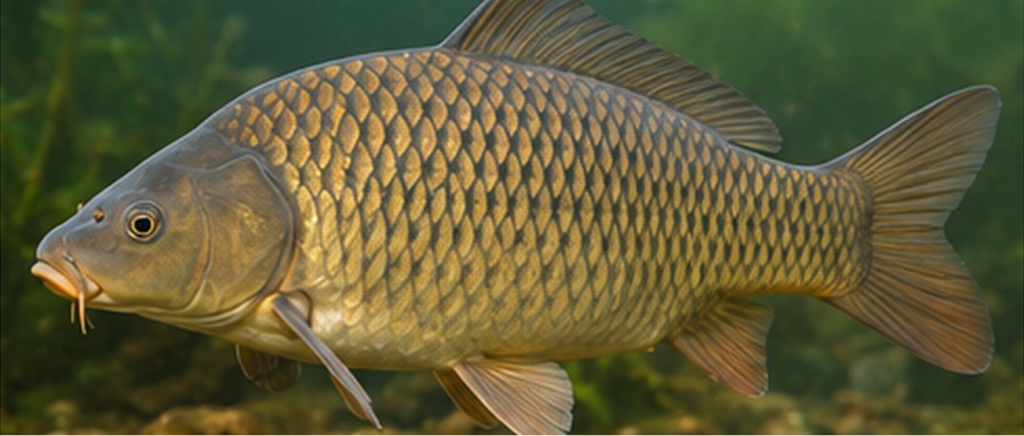
European carp (Cyprinus carpio), also called common carp, are introduced freshwater fish that have become widespread throughout many of Victoria’s rivers, lakes and wetlands.
They’re members of the Cyprinidae family and are known for their impressive adaptability, strong bodies and distinctive feeding habits.
But here’s something interesting.
Not all European carp look the same!
Some are golden or bronze, others are darker olive-brown, and some have unusual patterns of scales. Depending on the variety, two carp can look surprisingly different. That’s why identifying carp involves more than simply looking at their colour. You need to know what features to look for.
And fortunately, carp have some pretty distinctive clues!
Five Clues To Identify a Carp
TIME TO GET YOUR DETECTIVE EYES WORKING
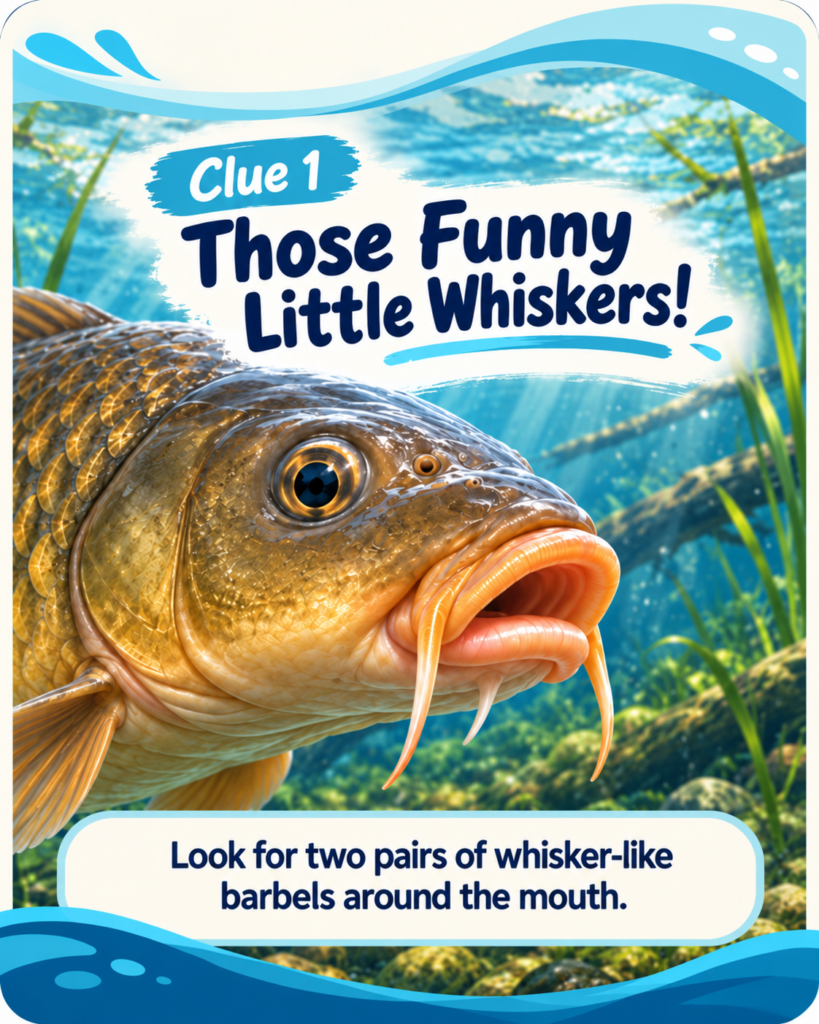
Have you ever noticed the little whisker-like structures around a carp’s mouth? They’re called barbels, and they’re one of the most useful features for identifying European carp. Common carp have two pairs of barbels around their mouths. But these aren’t whiskers like those on a cat!
Barbels contain sensory receptors that help carp locate food, particularly when they’re searching through muddy sediment. This makes them very useful when feeding in murky water, where visibility is poor.
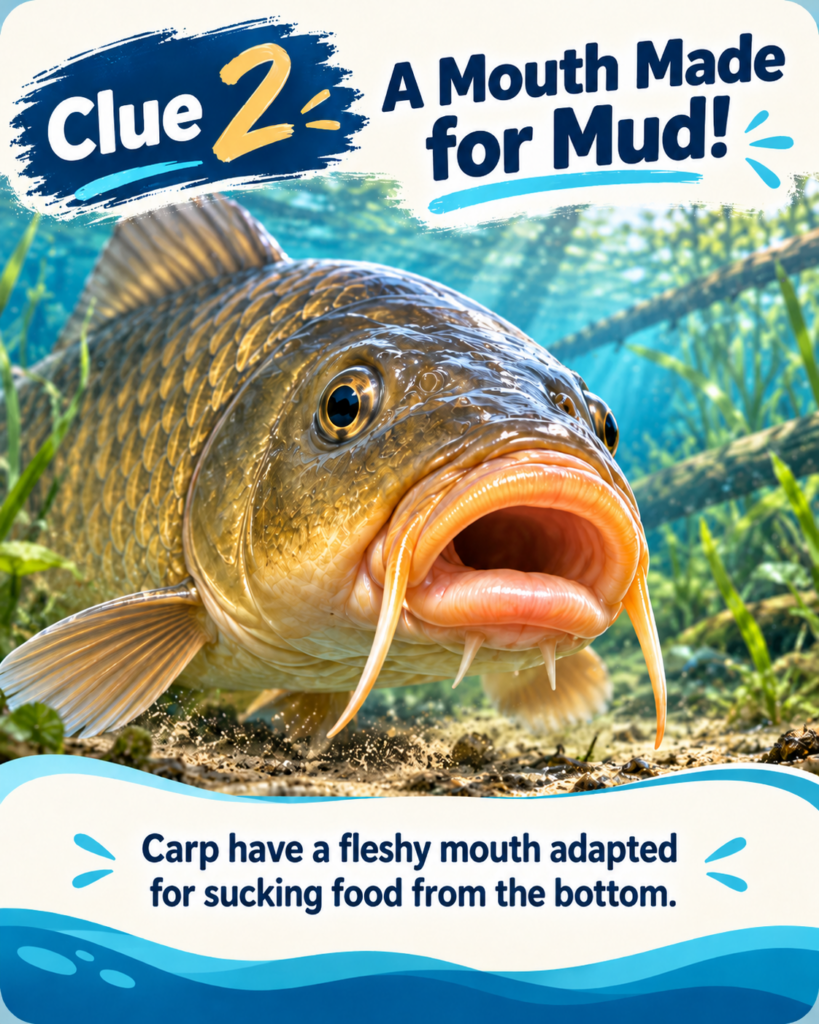
Carp have a clever little feeding adaptation. Their mouth can extend forwards and is adapted for sucking up food from the bottom of rivers and lakes. This is called a protrusible mouth.
Think of it a bit like a small vacuum cleaner! Carp use their mouth to take in sediment and food, separating edible material from much of the unwanted debris.
It’s one of the reasons they’ve earned the nickname underwater bulldozers.
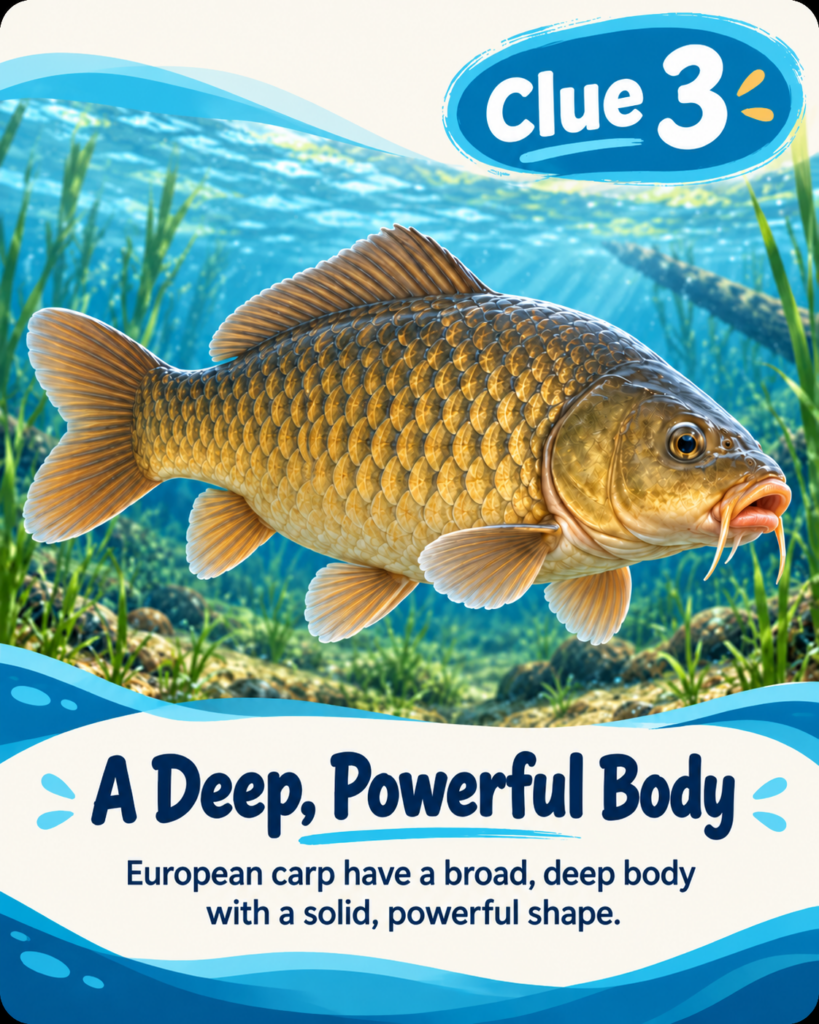
European carp generally have a broad, deep body and a relatively rounded belly.
They’re strong fish, and larger individuals can put up quite a fight when hooked!
Their body shape helps distinguish them from many smaller, slender native freshwater species.
However, body shape alone isn’t enough for identification.
Some other freshwater fish are also deep-bodied.
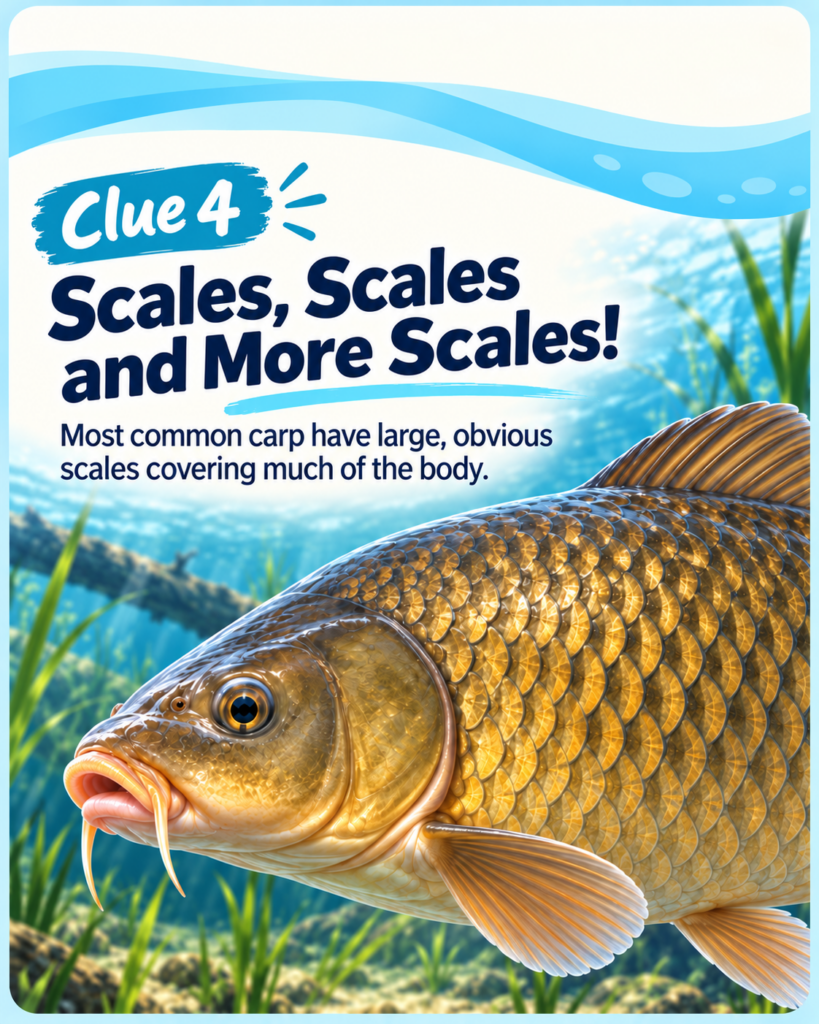
Most common carp have large, noticeable scales covering their bodies.
These scales often create a distinctive pattern, with darker edges and a golden, bronze or olive appearance.
But there’s a catch!
Some varieties of European carp have very different scale patterns.
Mirror carp have fewer, larger and irregularly arranged scales, while leather carp have very few scales or may appear almost completely scaleless.
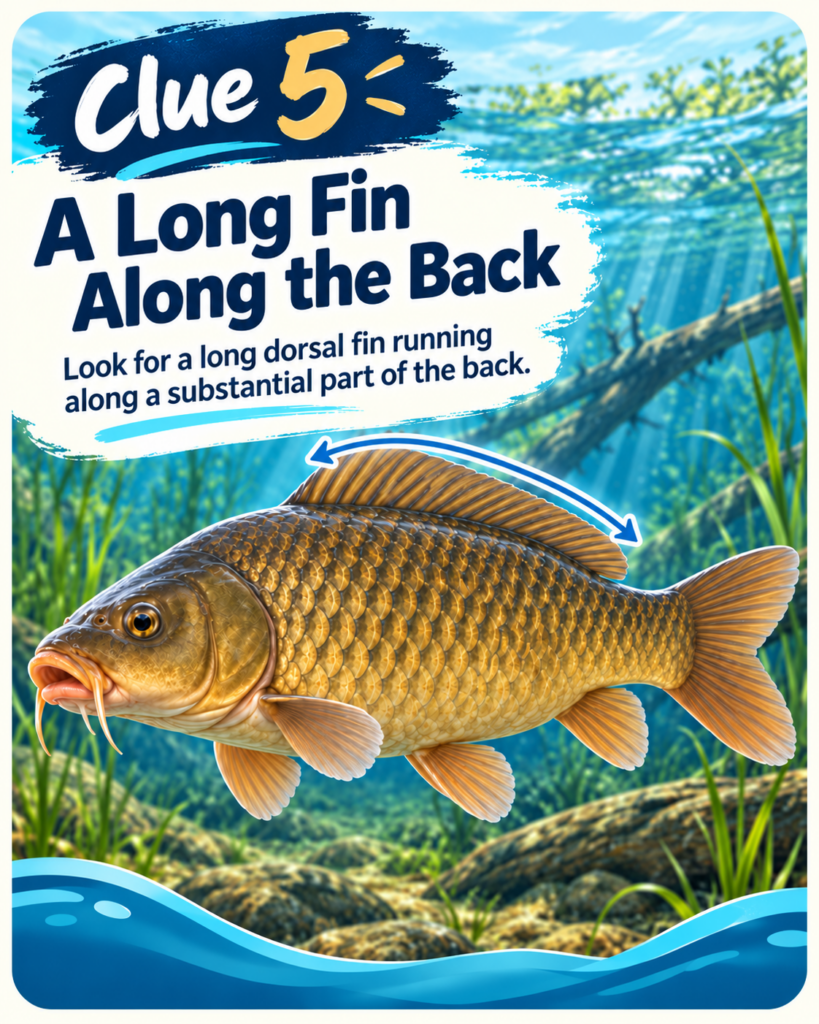
Take a look at the fin running along the top of a carp.
This is called the dorsal fin.
European carp have a relatively long dorsal fin extending over a substantial portion of their back.
Its distinctive shape helps separate carp from many other freshwater species with shorter dorsal fins.
Like several other fish, carp also have strong fin spines, so take care when handling them.
Putting the clues together
Look for the combination of:
A long dorsal fin running along the back.
Two pairs of whisker-like barbels around the mouth.
A fleshy, protrusible mouth adapted for bottom feeding.
A deep, solid body.
Large scales or a recognised mirror or leather carp scale pattern.
Remember, one clue isn’t always enough. Good fish detectives look at the whole picture!
Not All Carp Look The Same
SAME SPECIES. DIFFERENT LOOKS
You might be surprised to discover that European carp come in several different varieties.
Although their appearance can vary quite dramatically, common carp, mirror carp and leather carp are all forms of Cyprinus carpio.
Common Carp
THE CLASSIC LOOK
This is the variety most people imagine when they think of European carp. Common carp generally have large scales covering most of their bodies. They’re often golden, bronze or olive-brown, with a darker back and lighter underside. They’re commonly encountered in Victorian freshwater environments.
Look for: A fully scaled body, long dorsal fin and two pairs of barbels.
Mirror Carp
THE PATCHWORK FISH
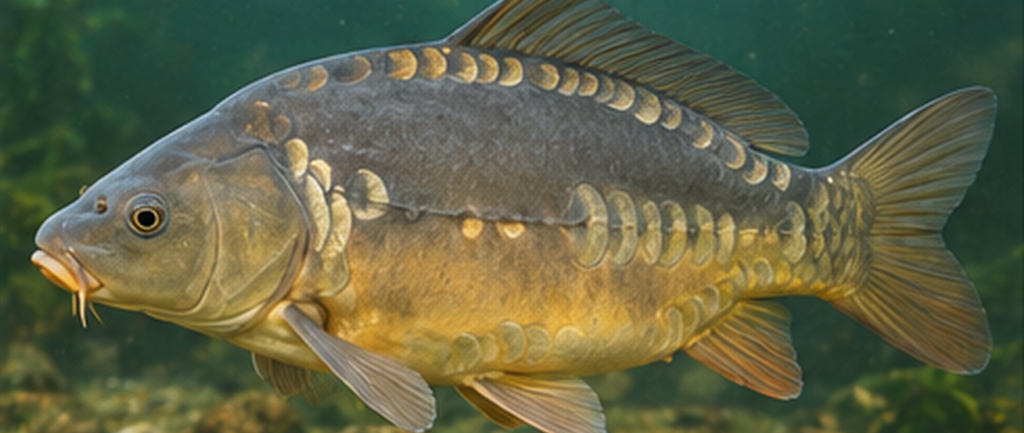
Mirror carp can look quite unusual!
Instead of having regular scales covering their entire bodies, they have scattered patches or rows of larger scales.
Some have big, shiny scales along their sides or backs, while other areas are relatively smooth.
Their distinctive appearance makes them easy to recognise as a carp variety once you know what you’re looking for.
Look for: Large, irregularly arranged scales and areas of smooth skin.
Leather Carp
ALMOST SCALELESS
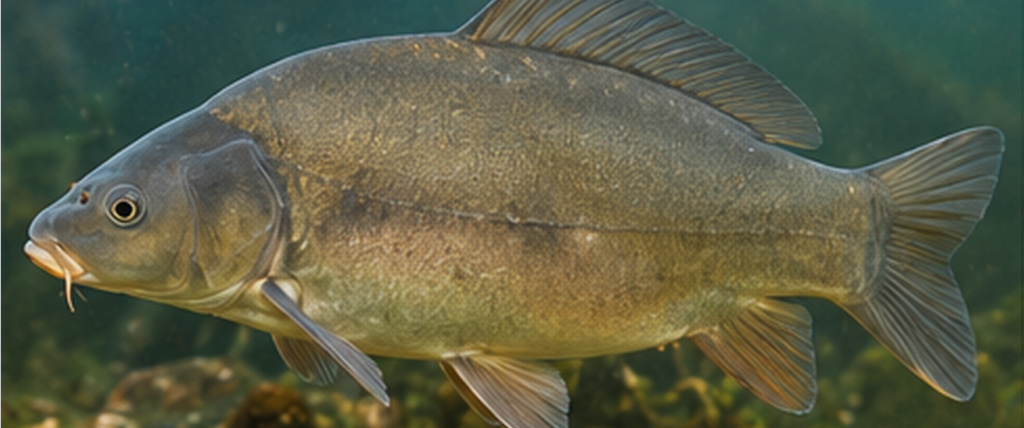
This is the variety most people imagine when they think of European carp. Common carp generally have large scales covering most of their bodies. They’re often golden, bronze or olive-brown, with a darker back and lighter underside. They’re commonly encountered in Victorian freshwater environments.
Look for: A fully scaled body, long dorsal fin and two pairs of barbels.
What about Koi?
COLOUR PATTERNS
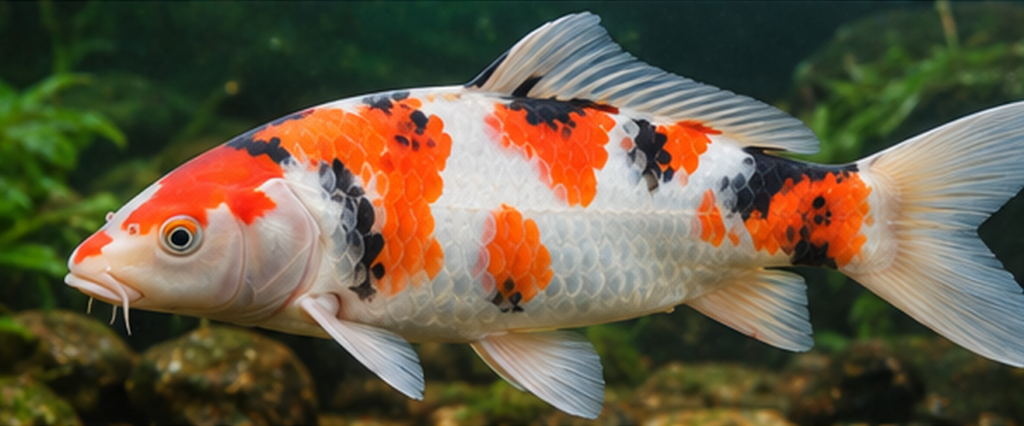
You might also have seen brightly coloured koi in ornamental ponds.
Koi are ornamental varieties of common carp.
They can have striking combinations of white, orange, red, black and yellow.
Although they look very different from the carp commonly caught in our waterways, koi are still forms of Cyprinus carpio.
Did you know?
Carp and goldfish can also hybridise, producing fish with mixed features. These hybrids can be harder to identify, which is another good reason to use several features rather than relying on a single clue.
Is It A Carp Or Something Else?
DON’T LET APPEARANCES FOOL YOU!
Victoria is home to a wonderful variety of freshwater fish. Some are native species that have lived in Australian waterways for thousands of years. Others have been introduced from different parts of the world.
And here’s why this matters.
Not every fish that looks like a carp is actually a carp!
Some species have similar colours, body shapes or feeding habits.
Let’s meet a few freshwater fish you might encounter.
Golden Perch
THE YELLOW BELLY
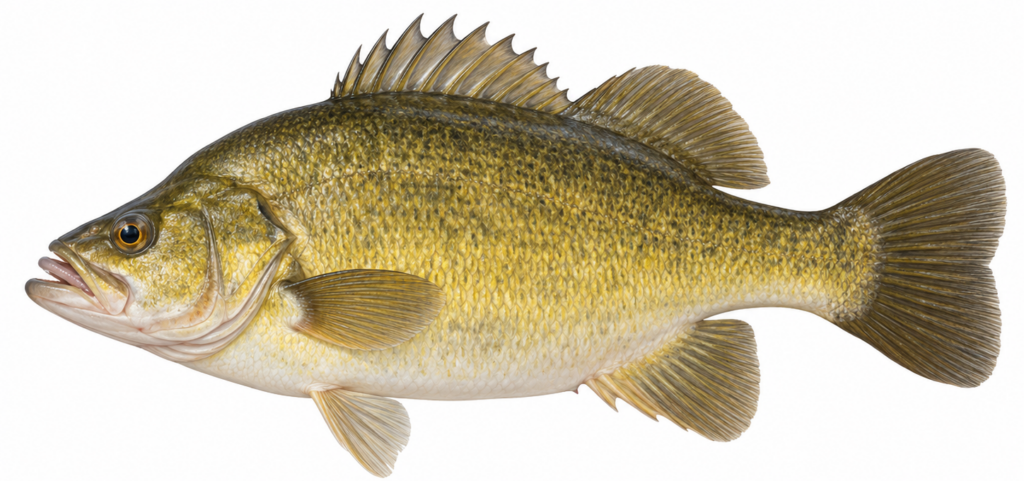
Golden perch (Macquaria ambigua) are native Australian freshwater fish found in parts of northern Victoria and the Murray–Darling Basin.
They’re often golden-yellow, bronze or olive-green, sometimes with a deep body that can remind beginners of a carp.
But look closely.
Golden perch have a different mouth shape, a relatively large gape and no carp-like barbels.
Their fins and overall head shape are also quite different.
Murray Cod
THE FRESHWATER GIANT
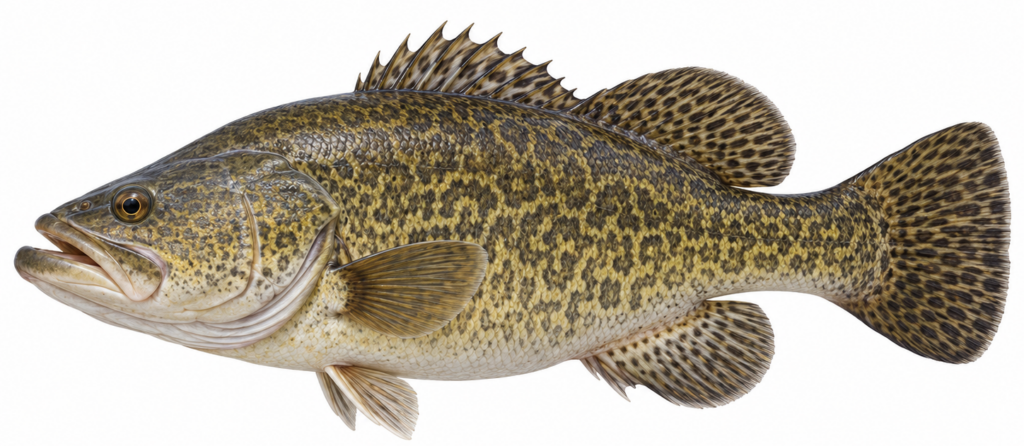
Murray cod (Maccullochella peelii) are among Australia’s most recognisable native freshwater fish.
They have a large, broad head, a huge mouth and a distinctive mottled greenish pattern.
Unlike European carp, they don’t have barbels around their mouths.
Murray cod are important native predators and are subject to specific size, bag and seasonal fishing regulations..
Silver Perch
ANOTHER NATIVE
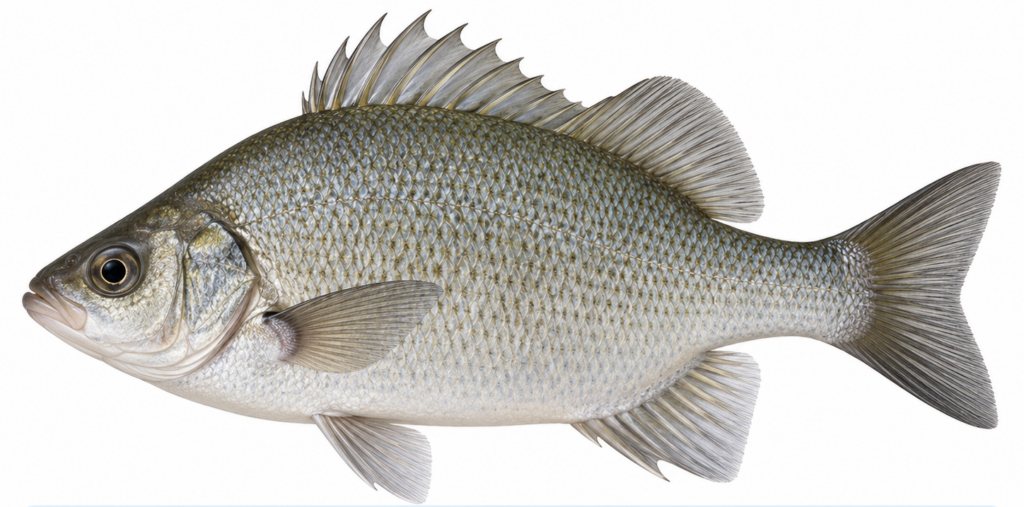
Silver perch (Bidyanus bidyanus) are native freshwater fish associated with the Murray–Darling Basin.
Their bodies are often silvery-grey or darker along the back, with a deeper, laterally compressed shape.
Although their body shape may appear similar to some other freshwater fish, they don’t have the characteristic barbels of European carp.
Goldfish
FAMILIAR FACE, UNFAMILIAR PLACE
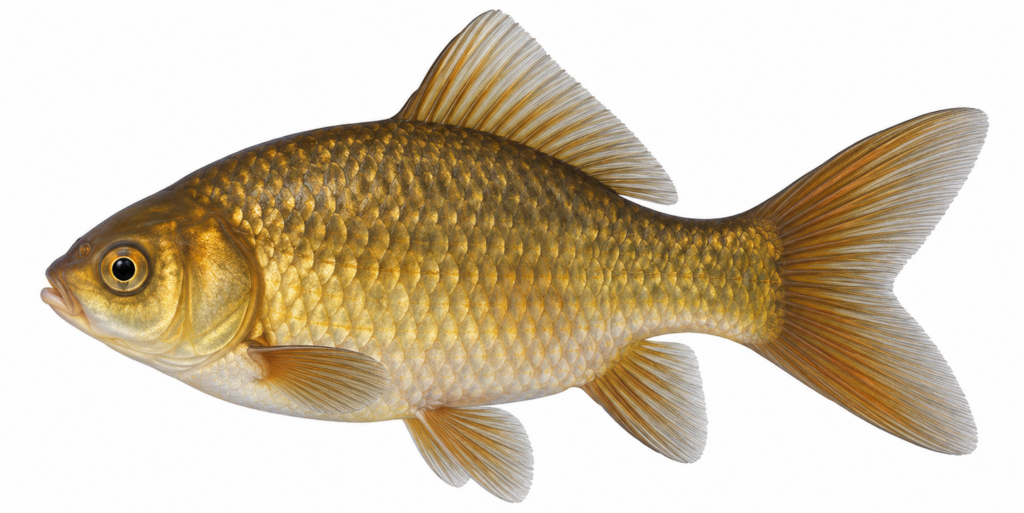
Goldfish (Carassius auratus) aren’t native to Australia.
Although commonly kept as pets, they can also occur in freshwater environments.
Some wild goldfish have muted bronze or olive colours and may resemble small carp.
One useful difference is that ordinary goldfish don’t have the two pairs of barbels found on typical European carp.
However, hybrids can make identification more complicated.
Fish detective tip
If a fish has a carp-like appearance but lacks obvious barbels, don’t automatically assume it’s a goldfish or a carp
Where Might You Find European Carp?
KNOWING WHERE THEY LIVE IS ANOTHER CLUE!
European carp can survive in a surprisingly wide range of freshwater environments. They’re particularly common in many slow-flowing rivers, lakes, wetlands and connected floodplain systems. Carp often favour areas where food is readily available, including shallow margins and soft-bottomed environments. They may also be found around submerged timber, aquatic vegetation and other habitat features.
Carp are widespread in Victorian waters connected to the Murray–Darling Basin and occur in parts of southern and western Victoria. However, they aren’t present in every Victorian freshwater waterway.
Can you spot the signs?
Sometimes you can see clues that carp are feeding nearby. Look for:
Clouds of disturbed sediment rising from the bottom.
Fish moving or rolling in shallow water.
Large fish cruising close to the surface.
Disturbance around muddy margins
These observations can be interesting, but they’re not proof that carp are present. Other fish and environmental processes can create similar signs.
Remember that finding a fish in a muddy waterway doesn’t automatically make it a carp!
Why Does Correct Identification Matter?
GETTING IT RIGHT IS A PART OF BEING A RESPONSIBLE FISHER
Imagine catching a fish, deciding it’s a carp and taking action without checking.
What if it was actually a native species?
Fish identification isn’t just about knowing the names of different fish.
It’s about understanding your responsibility to the animals and waterways you’re fishing in.
European Carp Are a Declared Noxious Species
In Victoria, European carp are classified as a noxious aquatic species because of their potential environmental impacts.
Under Victorian fishing regulations:
There is no minimum legal size for European carp.
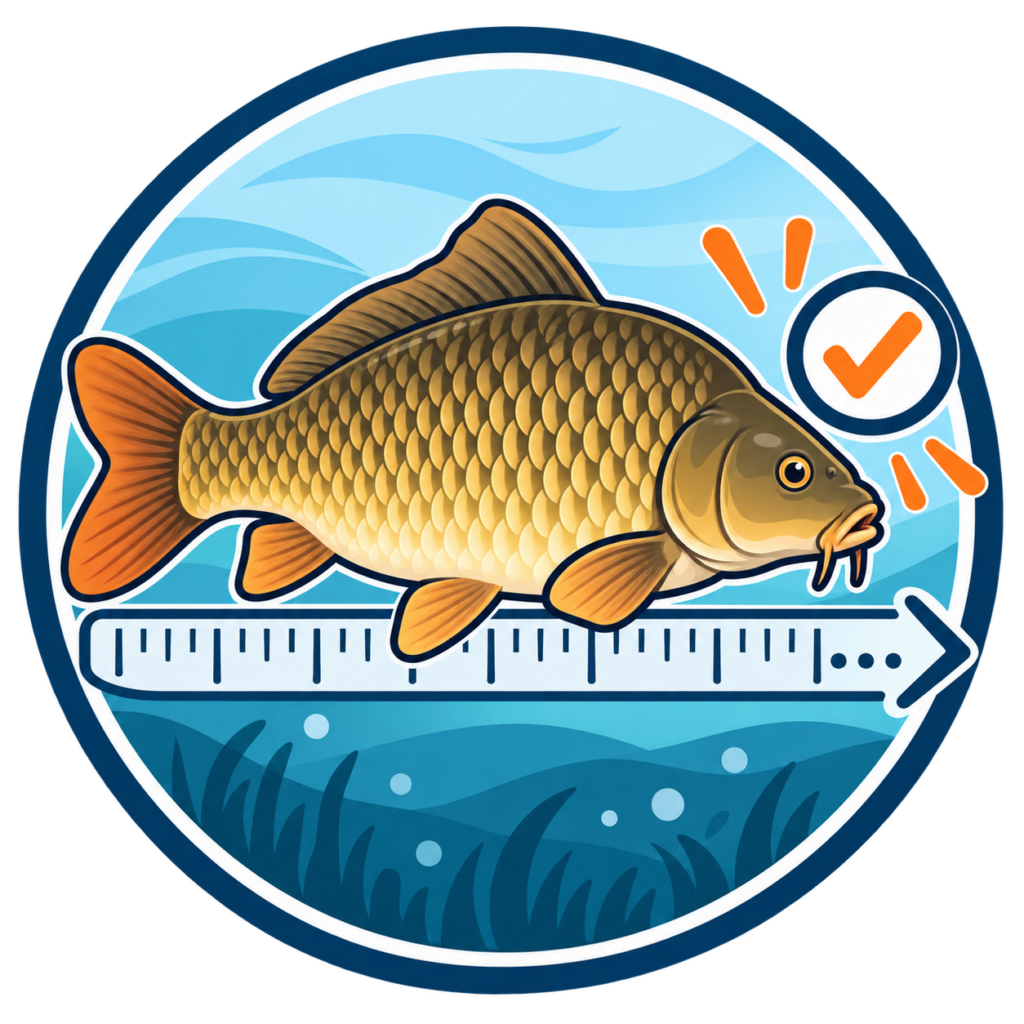
There is no recreational bag limit for European carp.
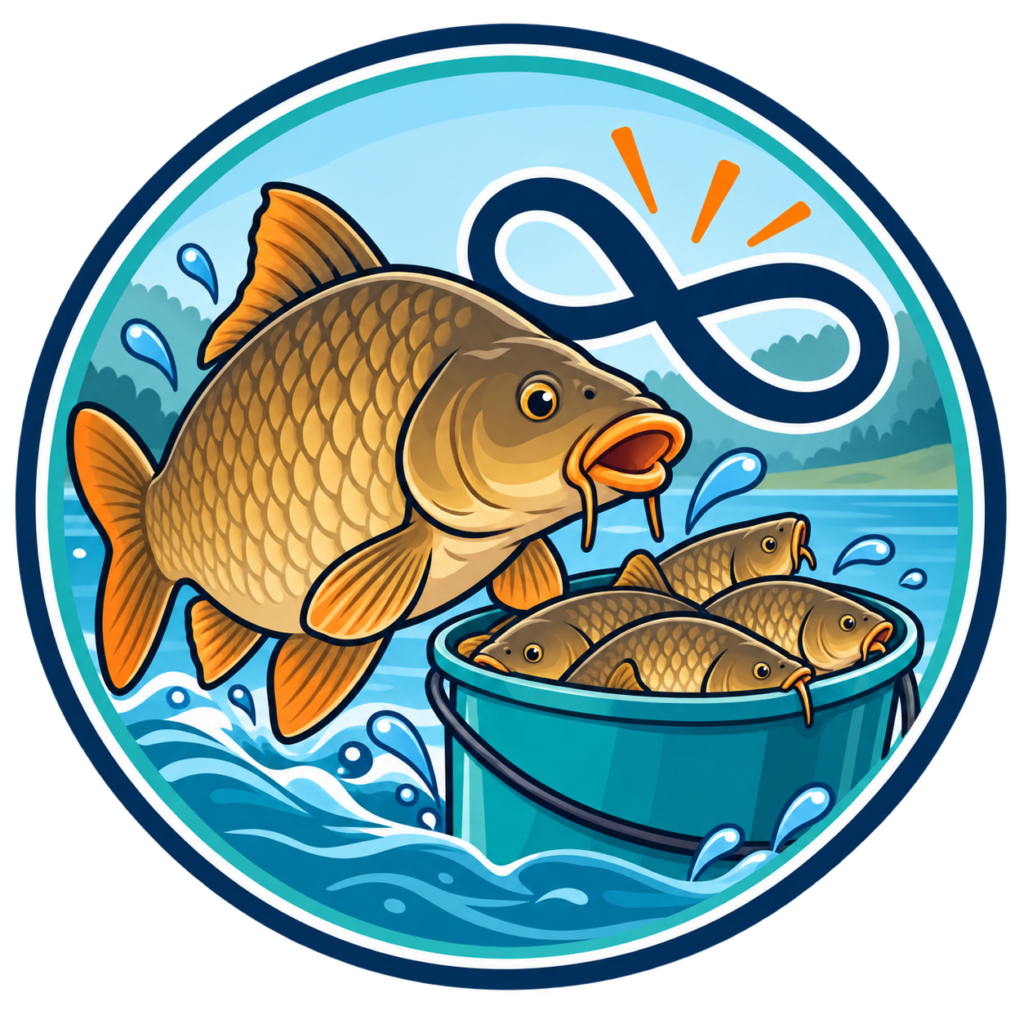
European carp must not be returned to the water alive.
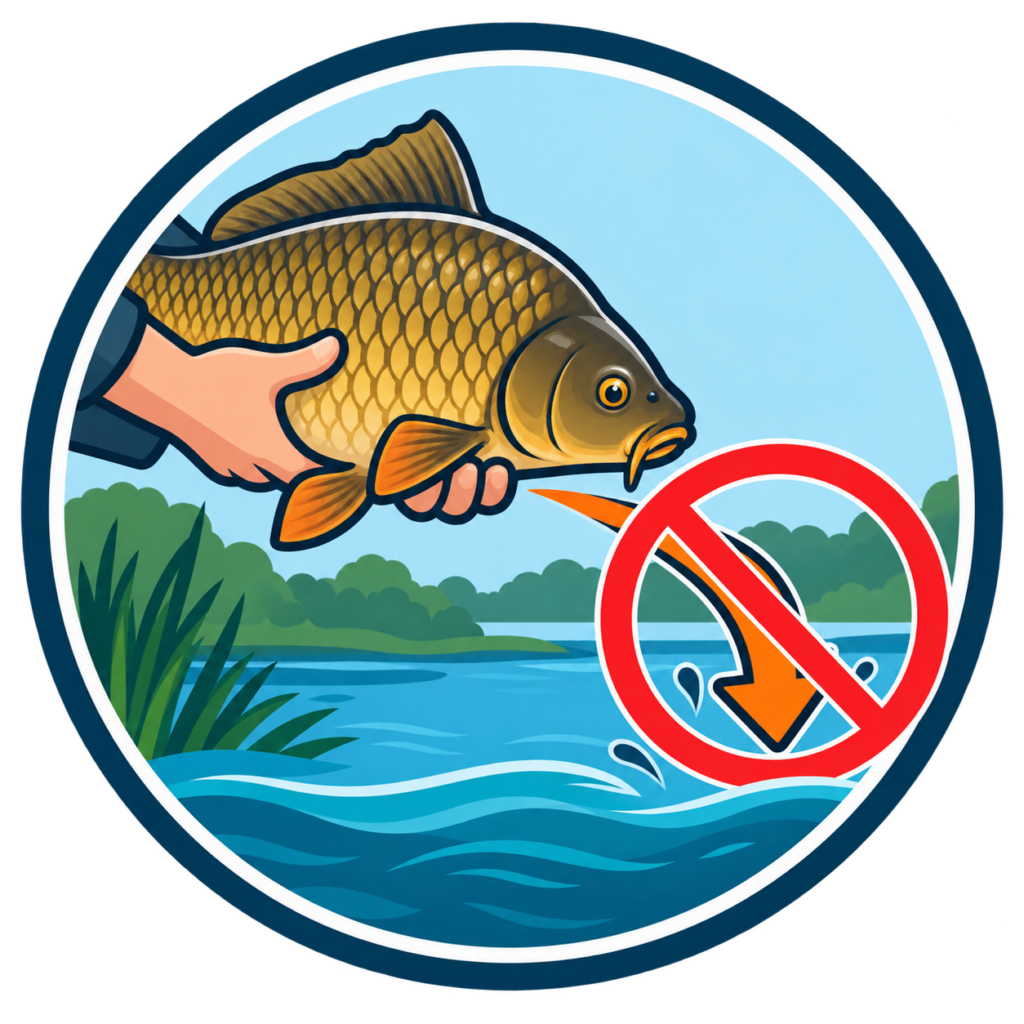
Carp must be humanely dispatched immediately after capture.
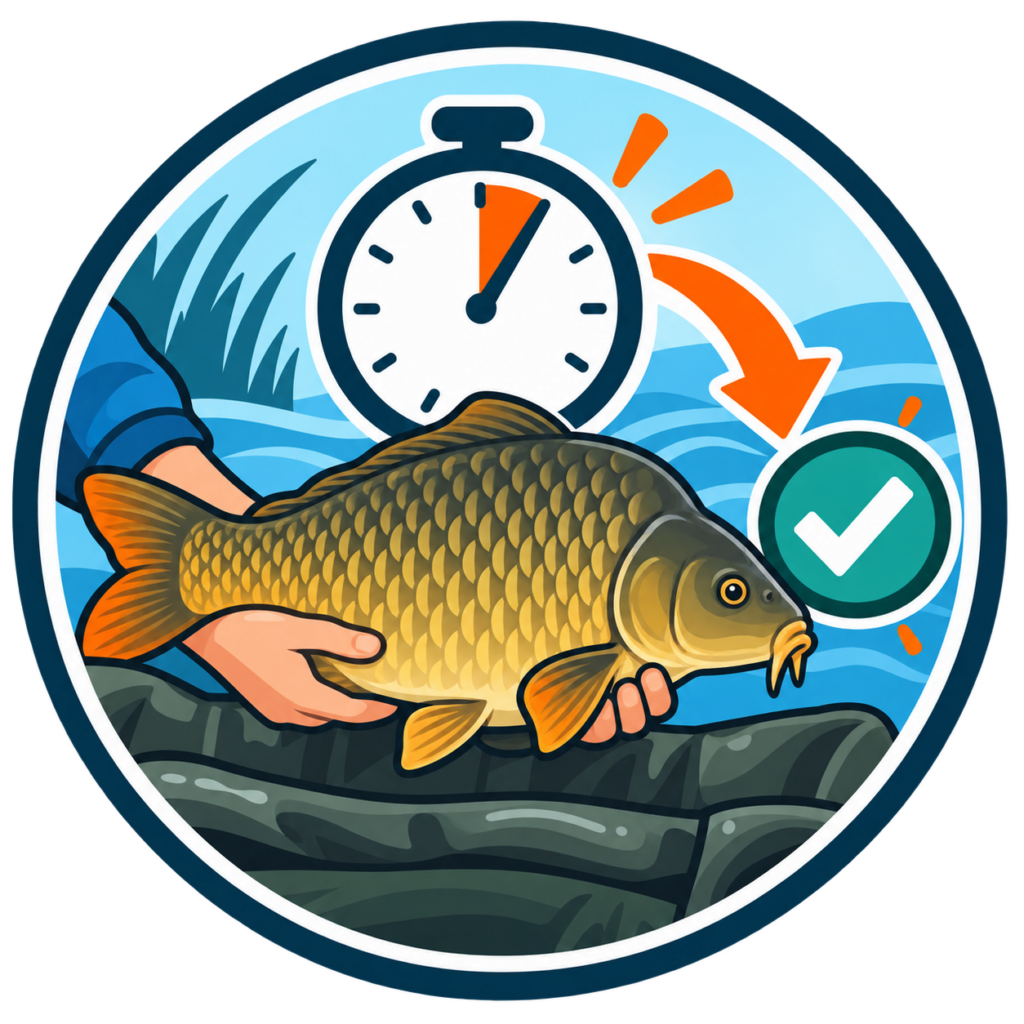
Dead carp must not be left on the bank or shoreline.
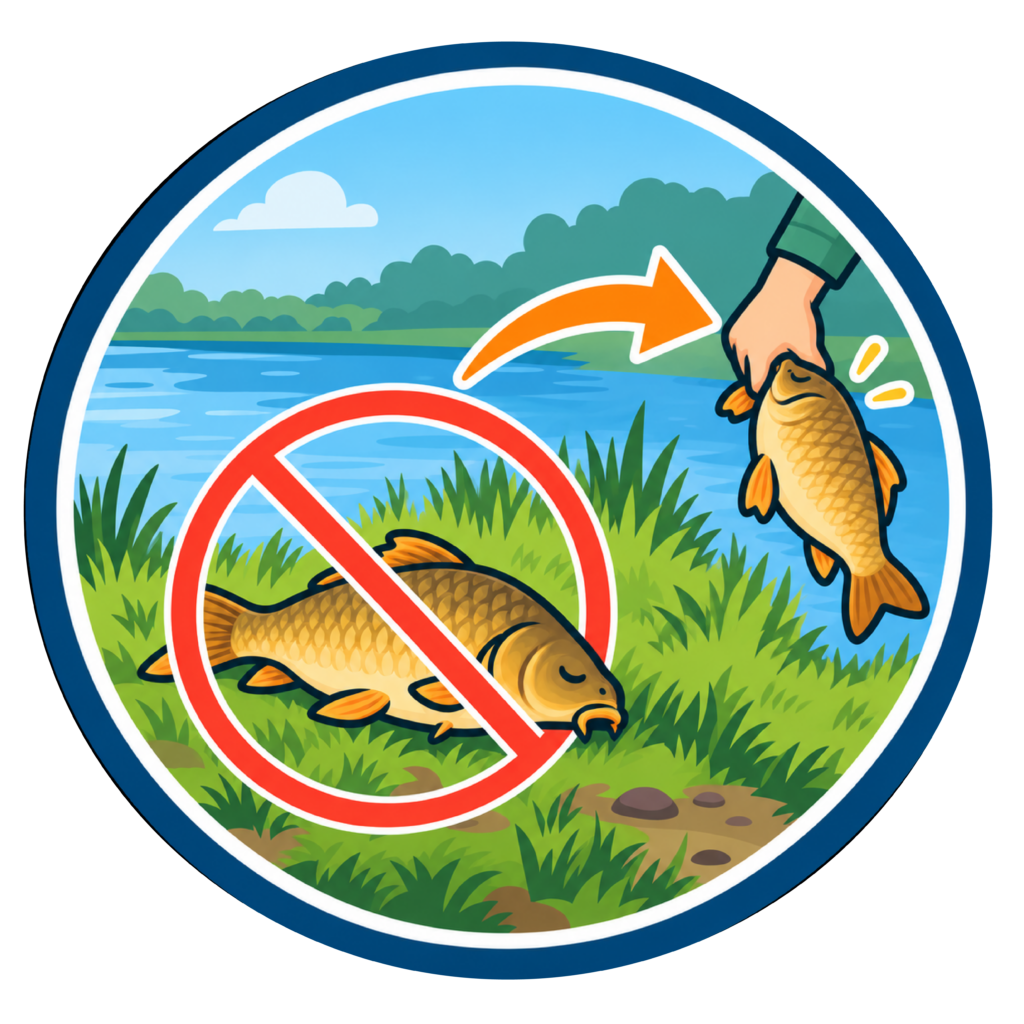
The Victorian Fisheries Authority permits dead carp carcasses to be returned to the water if they are cut so they sink.
Alternatively, anglers can take the dead fish away for appropriate disposal or use. Transporting live carp and using live carp as fishing bait are prohibited without appropriate authorisation.
General fishing licence requirements, fishing equipment restrictions and local waterway rules still apply.
What if you are not sure?
If you can’t confidently identify the fish you’ve caught, don’t guess. Take a careful look at the identifying features, consult a reliable fish identification guide or seek assistance from an experienced fisher. If you suspect the fish may be a native species, check the relevant fishing regulations before deciding what to do.
Remember that fish identification needs to happen promptly and handling should be minimised.
Being a good angler means making informed decisions, not rushing to conclusions.
Put Your Fish Detective Skills to the Test!
THINK YOU’VE GOT WHAT IT TAKES?
You’ve learned about barbels, scales, body shapes, fins and some of Victoria’s freshwater fish.
Now it’s time to put that knowledge to work!
See if you can answer these questions
Know Your Catch Quiz
Can you spot a carp and protect native fish? Test your fish detective skills.
Loading interactive quiz…
Dispatch. Dispose. Respect
A responsible angler knows what happens after the catch!
You’ve caught a carp! Now what?
Catching a fish is exciting, but being a responsible angler means knowing how to care for your catch, even when it’s a pest species.
European carp can cause serious problems for Victoria’s freshwater environments. That’s why special fishing rules apply to them.
But here’s something important to remember:
Just because a fish is a pest doesn’t mean it deserves to suffer.
Learn how to handle your catch carefully, understand how fish are humanely dispatched, discover the rules for responsible disposal and find out how every angler can show respect for wildlife and our waterways.
Ready to become a more responsible fisher? Let’s explore what happens after you’ve landed your catch!
Dispatch. Dispose. Respect. Topics
First Things First – Know What You’ve Caught!
NOT EVERY FISH SHOULD BE TREATED THE SAME WAY
Before deciding what to do with a fish, you need to know exactly what you’ve caught.
Victoria is home to many different freshwater fish. Some are native species that need protecting, while others have been introduced from overseas.
European carp (Cyprinus carpio) are classified as a noxious aquatic species in Victoria.
This means special rules apply.
When you catch a European carp
It must not be returned to the water alive.
It must be dispatched immediately and humanely.
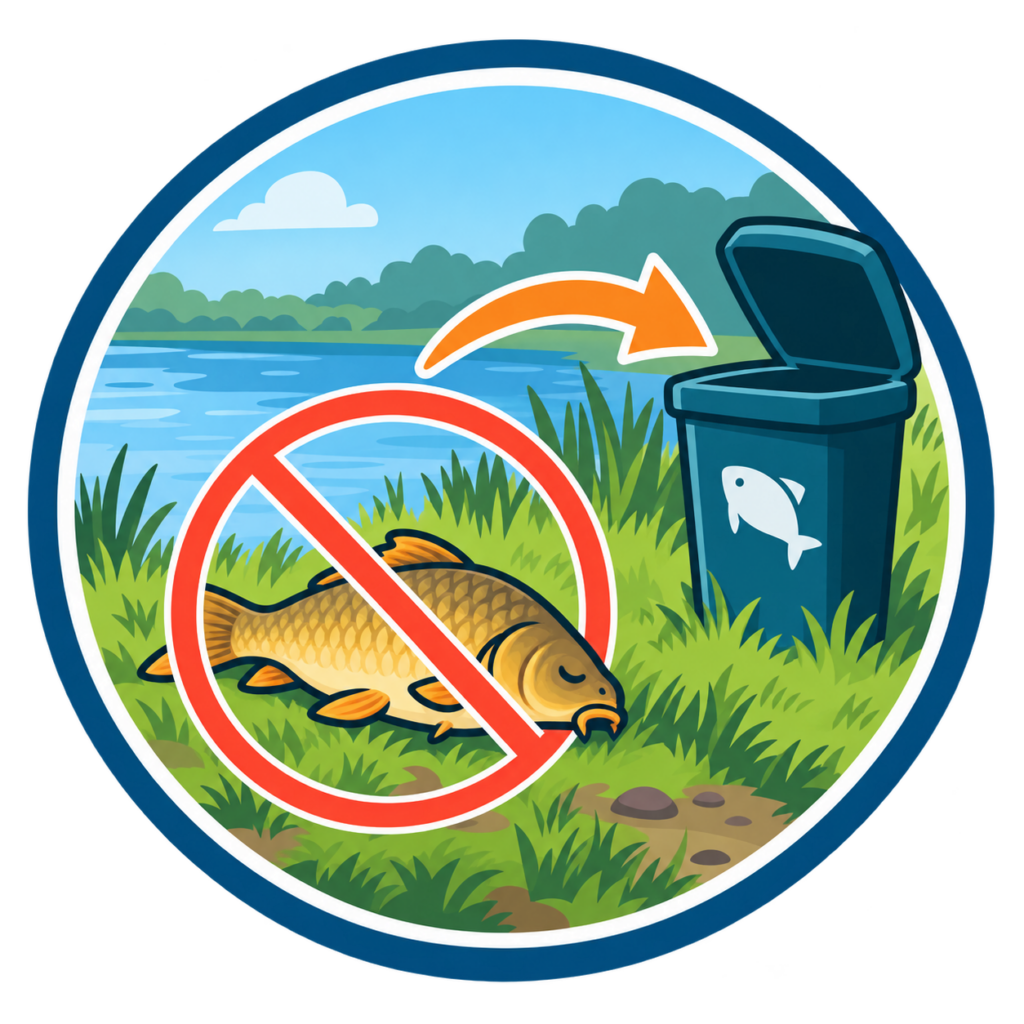
It must not be left dead on the riverbank or shoreline.
There is no minimum legal size or recreational bag limit for European carp.
Did you know?
Common carp, mirror carp and leather carp are all forms of the same species — European carp. The same rules apply to all three.
Not sure what you’ve caught? Visit our Know Your Catch section to learn the identifying features of European carp and some Victorian native freshwater species.
Handle With Care – Every Fish Deserves Respect
EVEN PEST FISH DESERVE HUMANE TREATMENT
Fish are living animals capable of experiencing pain and distress. That means they should never be treated carelessly, even when they must be removed from our waterways.
Good anglers know that responsible fishing isn’t just about following the rules. It’s also about making sure animals experience as little unnecessary stress and suffering as possible.
How to handle a carp responsibly
Use a suitable landing net
A knotless, fish-friendly landing net helps support the fish and reduces the risk of injuries caused by unnecessary handling.
Keep handling to a minimum
Avoid repeatedly lifting, dropping or passing the fish between people.
Wet your hands before touching the fish
Wet hands help protect the fish’s natural mucus coating. Keep fingers away from the eyes and gills, and support the body properly.
Keep the fish low and secure
Use a suitable, stable surface away from sharp objects, hooks and other hazards. Don’t allow a fish to thrash around unattended.
Act promptly
Once the fish has been positively identified as European carp, a competent adult should carry out humane dispatch without delay.
What about photographs?
It’s natural to feel proud of a catch, but the fish’s welfare must come first.
Do not delay humane dispatch for photographs, measurements or celebrations.
If you’d like a photo with your catch, it can be taken after the fish has been humanely killed and confirmed dead.
What Does Humane Dispatch Mean?
A QUICK, CAREFUL PROCESS THAT PREVENTS UNNESCESSARY SUFFERING
You might have heard anglers talking about dispatching a fish.
But what does that actually mean?
Dispatch means killing a fish as quickly and humanely as possible.
Humane dispatch aims to make the fish immediately unconscious, so it cannot experience further pain or distress, and to ensure that death follows rapidly without the fish regaining consciousness.
Leaving a fish to slowly suffocate on the bank or die in a bucket is not humane.
There are two recognised methods used by experienced anglers. Both methods require preparation, accuracy and an understanding of fish anatomy.
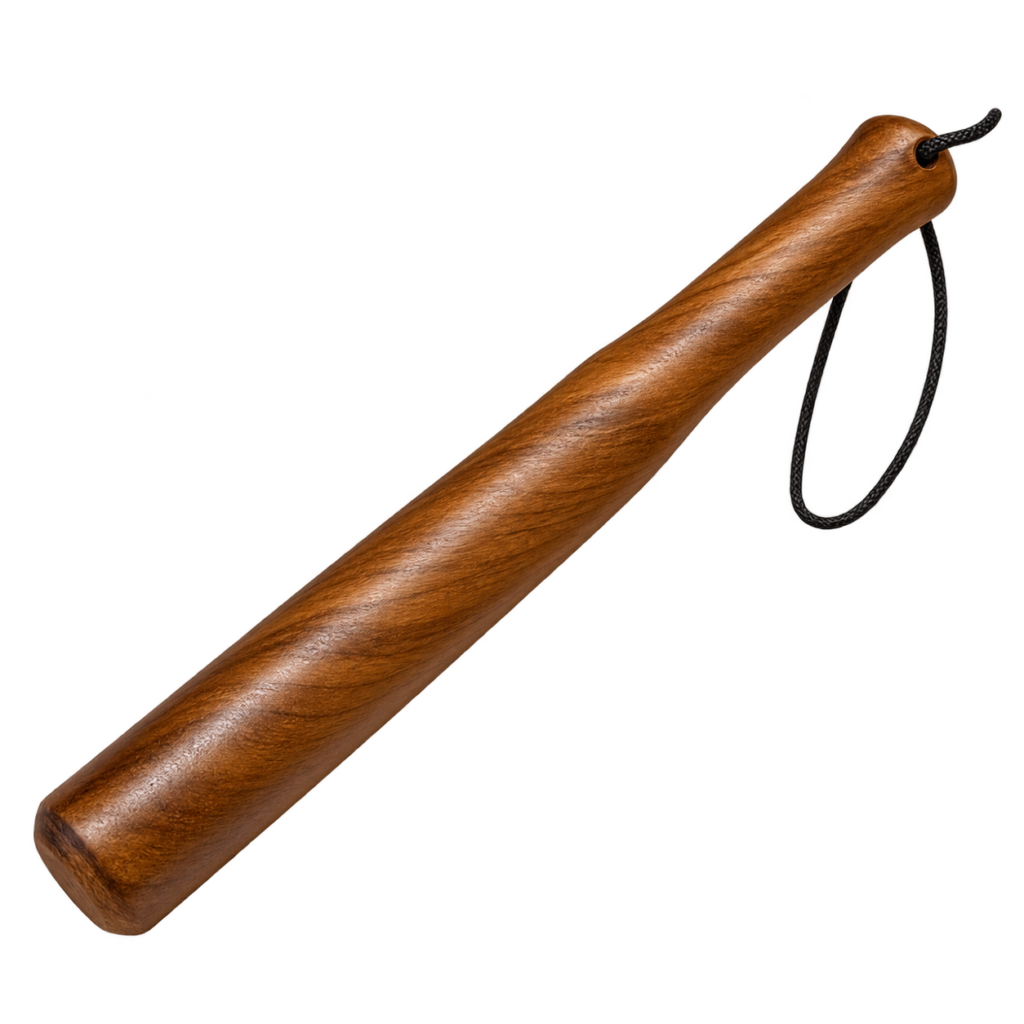
Percussive stunning
USE A FISHING PRIEST
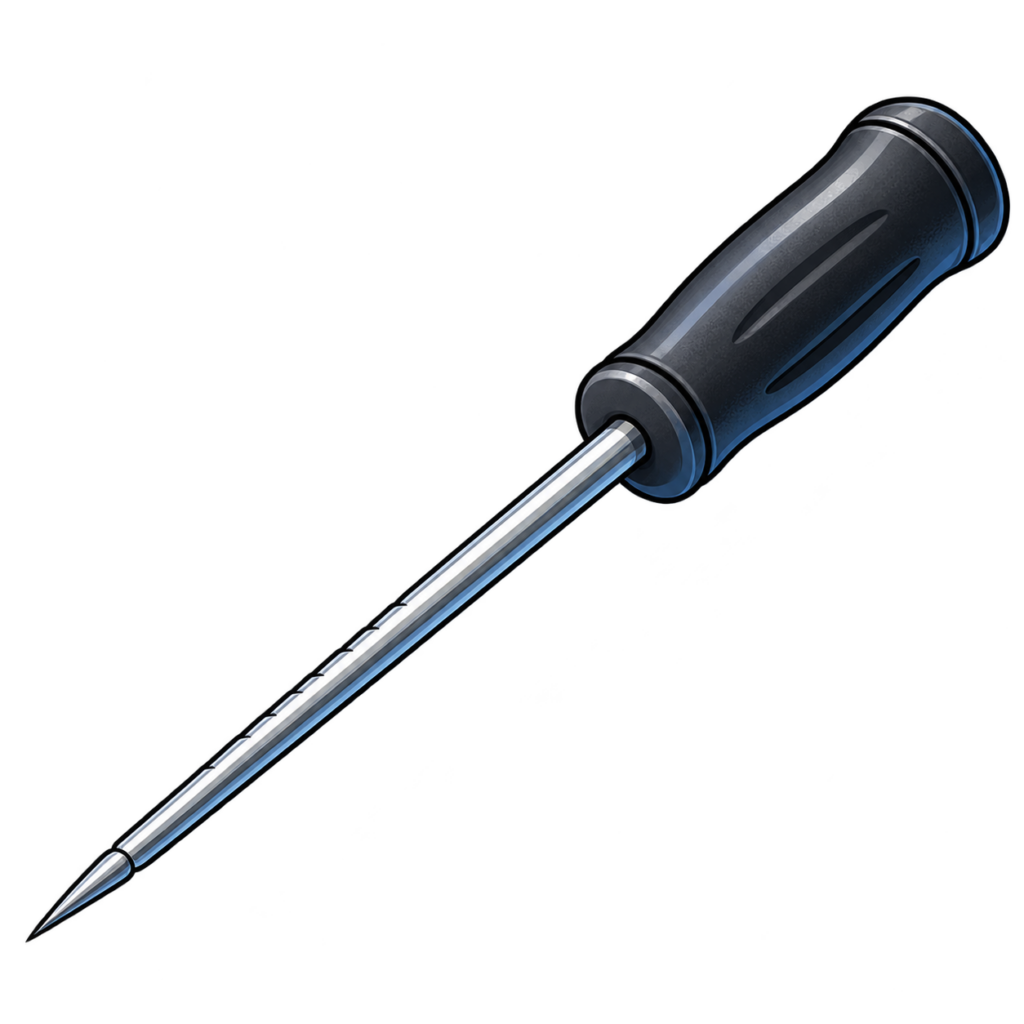
Iki Jime
USE A FISHING SPIKE
An important safety message
Humane dispatch must be carried out by someone who is confident and competent in the method. Children and beginners should learn about these techniques through supervised demonstrations and suitable educational resources. At Fishcare events, trained facilitators or competent adults should handle the dispatch equipment and perform the procedure.
Method 1
USING A FISHING PRIEST
A simple tool with an important purpose
A fishing priest isn’t what its unusual name might suggest!
It’s a short, weighted club designed to deliver a precise, firm blow to a fish’s head. When correctly used, it causes immediate unconsciousness by impacting the brain.
This is called percussive stunning.
It’s a recognised method for humanely dispatching fish, but the person using it must know exactly what they’re doing.
How does it work?
Step 1
PREPARE BEFORE FISHING
A competent adult should have an appropriate fishing priest ready, along with a stable, suitable surface and a clear working area.
The tool must be appropriate for the size of fish being handled.
Step 2
CORRECT ID & SECURE FISH
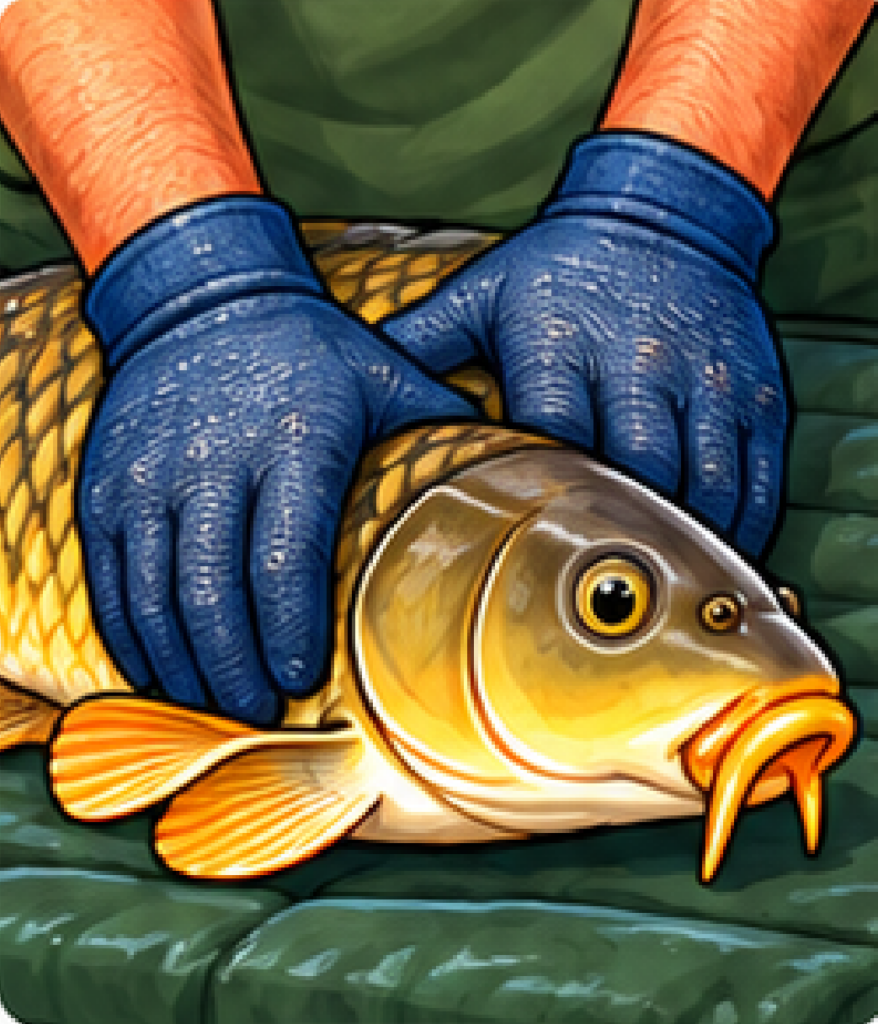
Once a European carp has been identified, the adult should promptly position and securely control the fish to minimise movement and prevent injury.
Children and others must remain clear of the dispatch area.
Step 3
DELIVER A DECISIVE BLOW
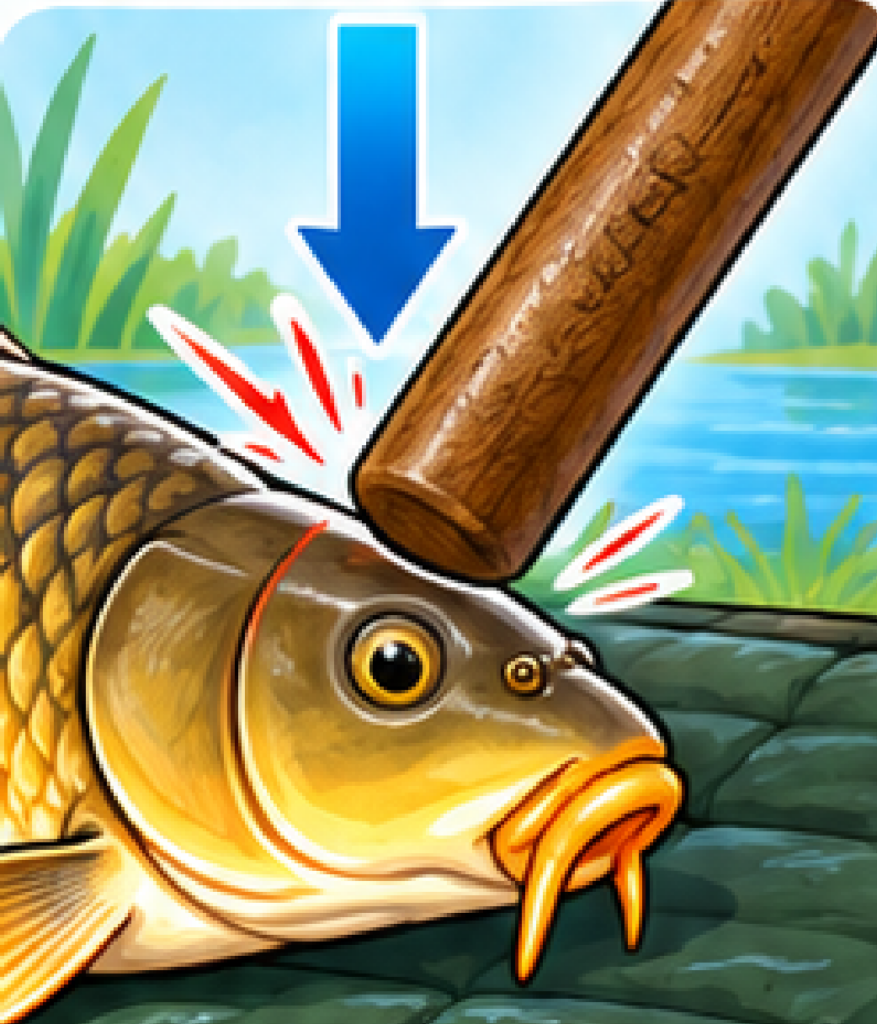
The adult delivers a single, firm, accurately placed blow to the top of the head immediately above the eyes, targeting the brain.
The aim is immediate unconsciousness, not repeated or uncontrolled striking.
Step 4
CHECK RESULTS IMMEDIATELY
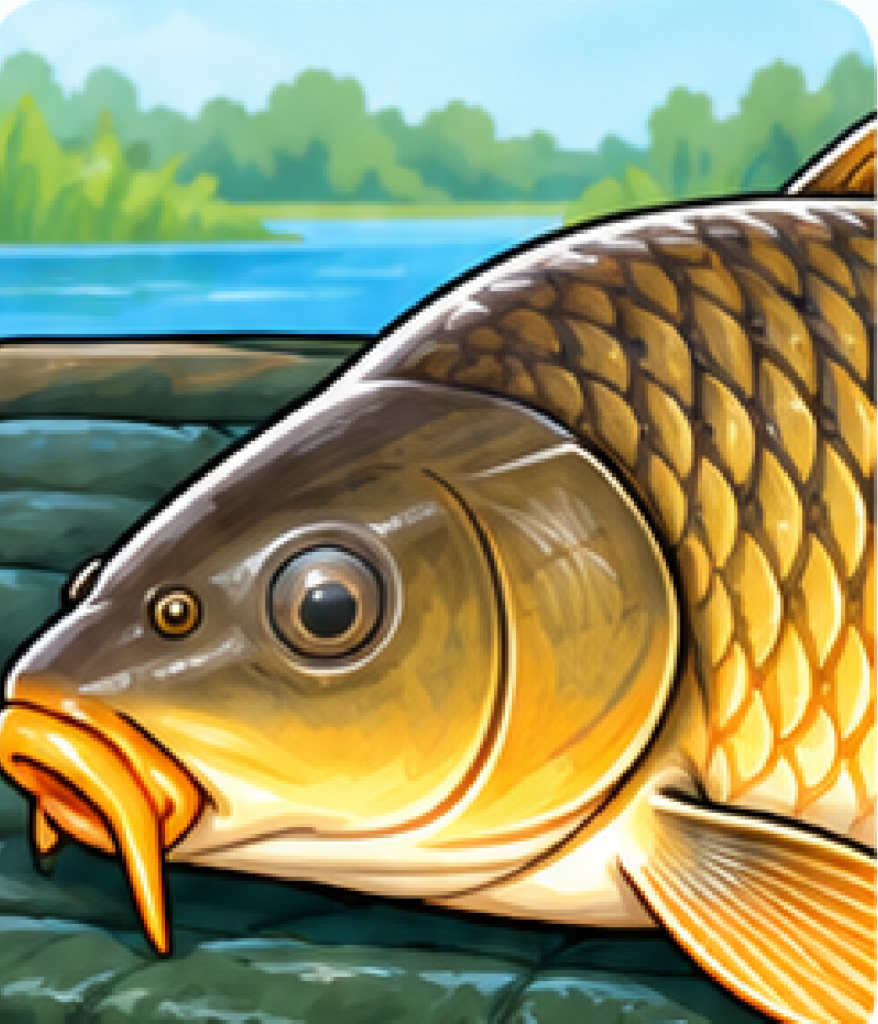
The adult must assess whether the fish is unconscious and ensure it does not regain consciousness.
If the first action has not been effective, immediate corrective action is required.
The adult must confirm death before the fish is handled further or disposed of.
Why does accuracy matter?
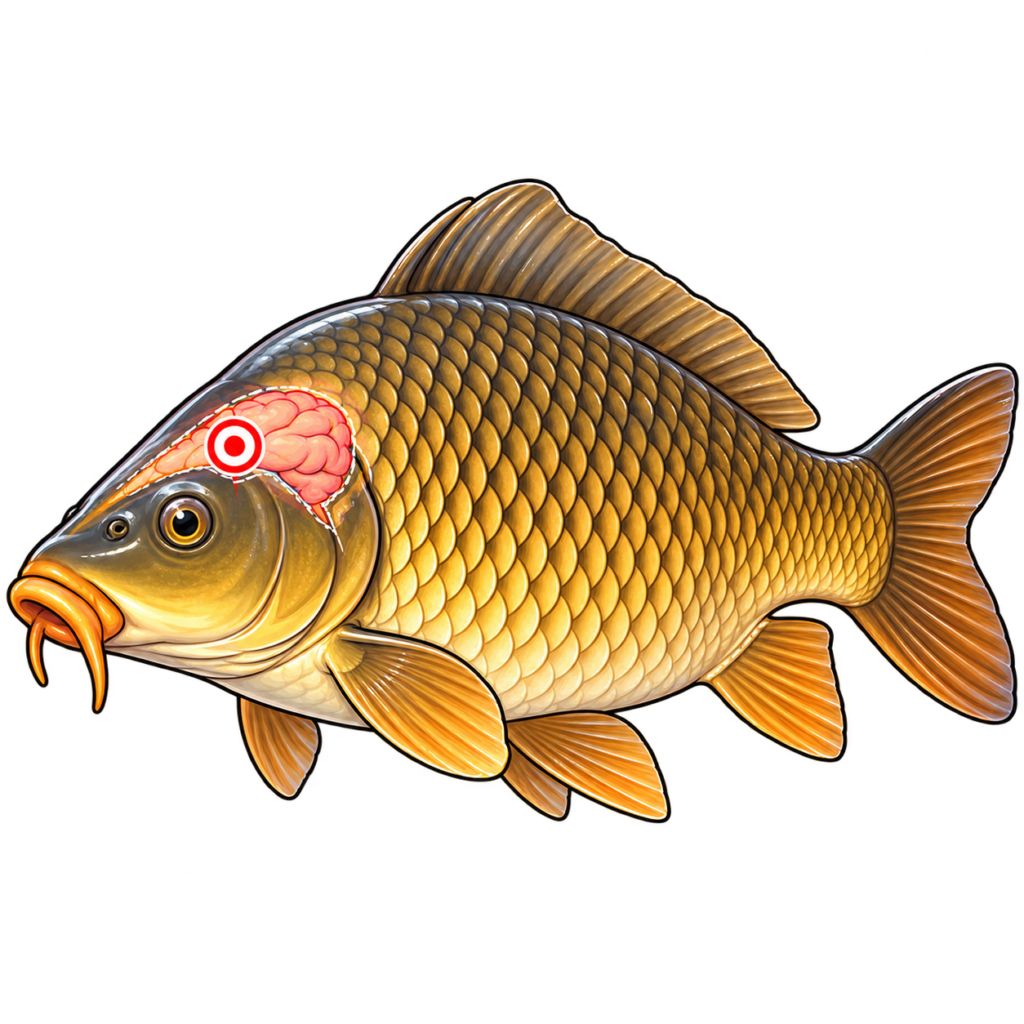
An incorrect or weak blow may injure the fish without making it unconscious.
That’s why this technique should never be attempted without proper instruction and confidence.
Remember: A fishing priest is a humane-dispatch tool, not a toy. Only a competent adult should use one.
Method 2
IKI JIME
Understanding the science of humane dispatch
Have you heard of iki jime?
Pronounced approximately “iki jimi”, iki jime is a Japanese method of humanely killing fish by destroying the brain with a specialised spike.
When performed correctly, it causes immediate unconsciousness and death.
It’s widely recognised as a method of humane fish dispatch and can also help maintain the quality of fish intended for food.
How does it work?
Unlike a fishing priest, which uses blunt-force impact, iki jime requires a specialised pointed tool.
The tool must be placed accurately into the brain. Different fish have different head shapes, skull structures and brain positions.
That’s why the correct brain location must be identified for the particular fish species before attempting iki jime.
The iki jime process
Step 1
PREPARE BEFORE FISHING
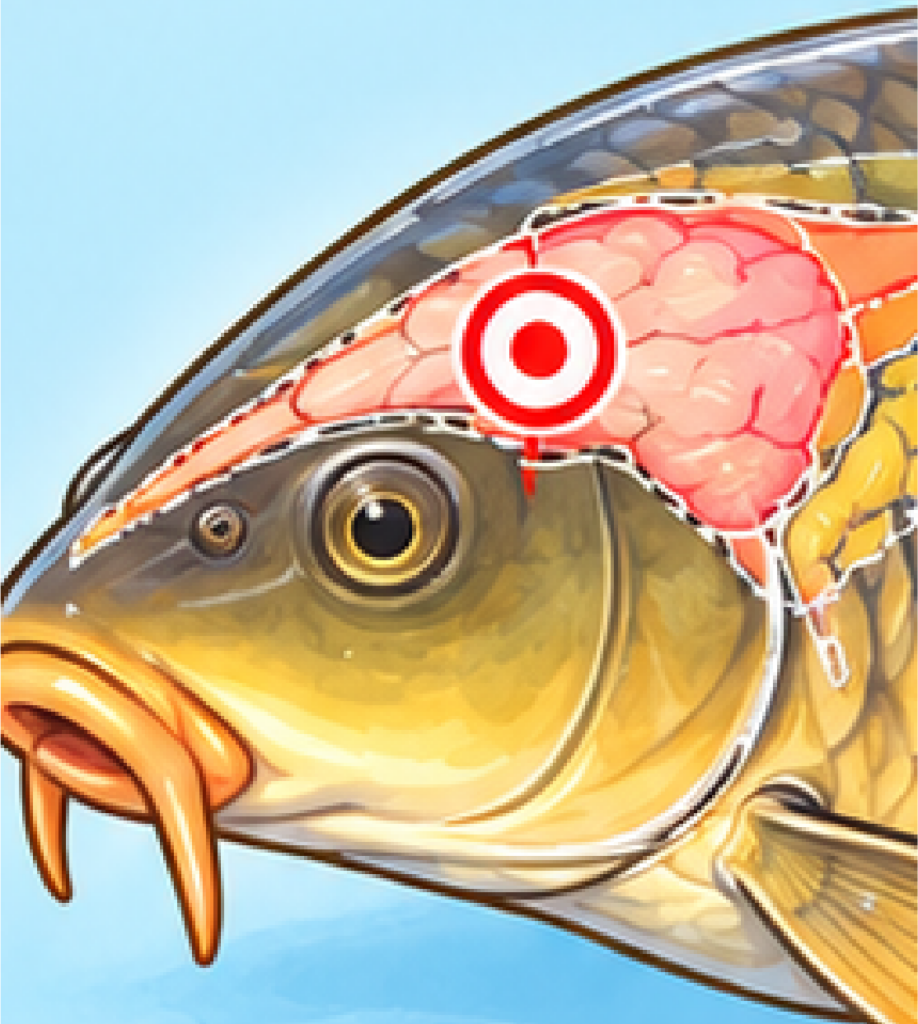
An experienced adult identifies the correct brain location for European carp using a reliable, species-specific anatomical diagram.
The adult ensures the tool is appropriate, clean and ready before the fish is landed.
Step 2
SECURE FISH
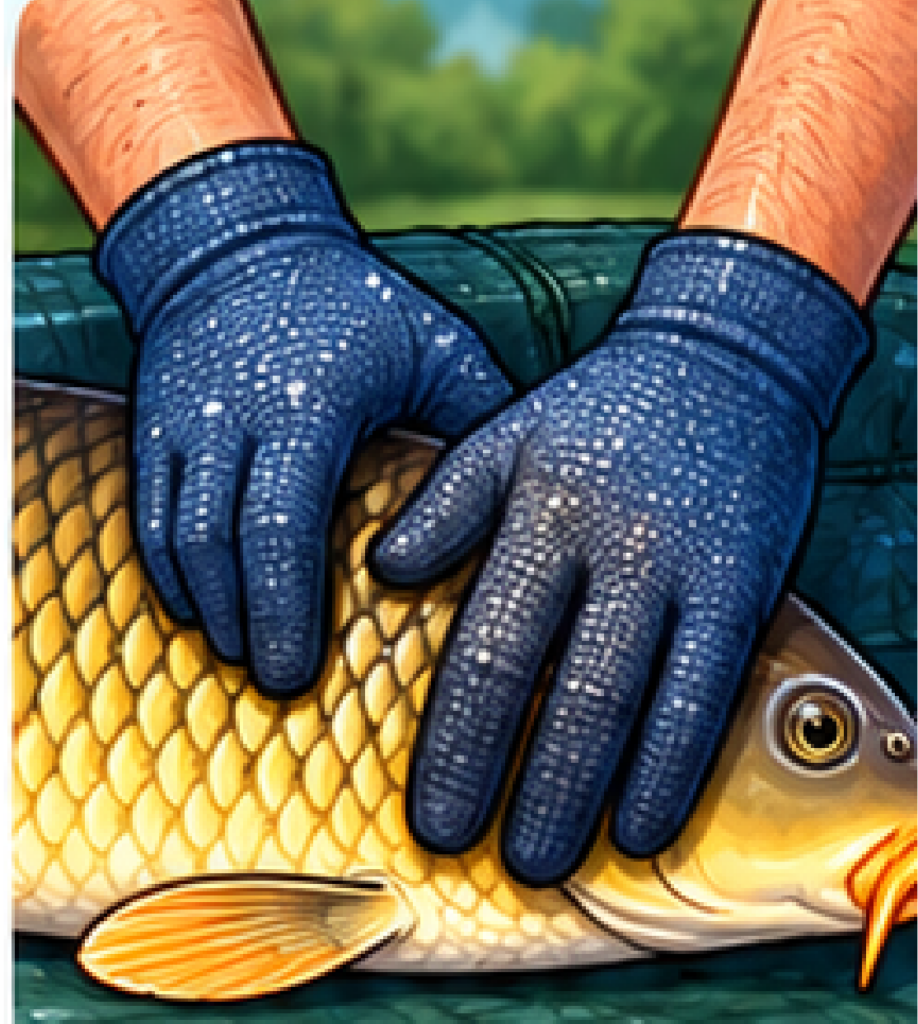
Once a European carp has been identified, The fish is positioned securely on a suitable surface to prevent slipping or sudden movement.
The adult keeps other participants away from the working area.
Step 3
PRECISELY SPIKE THE BRAIN
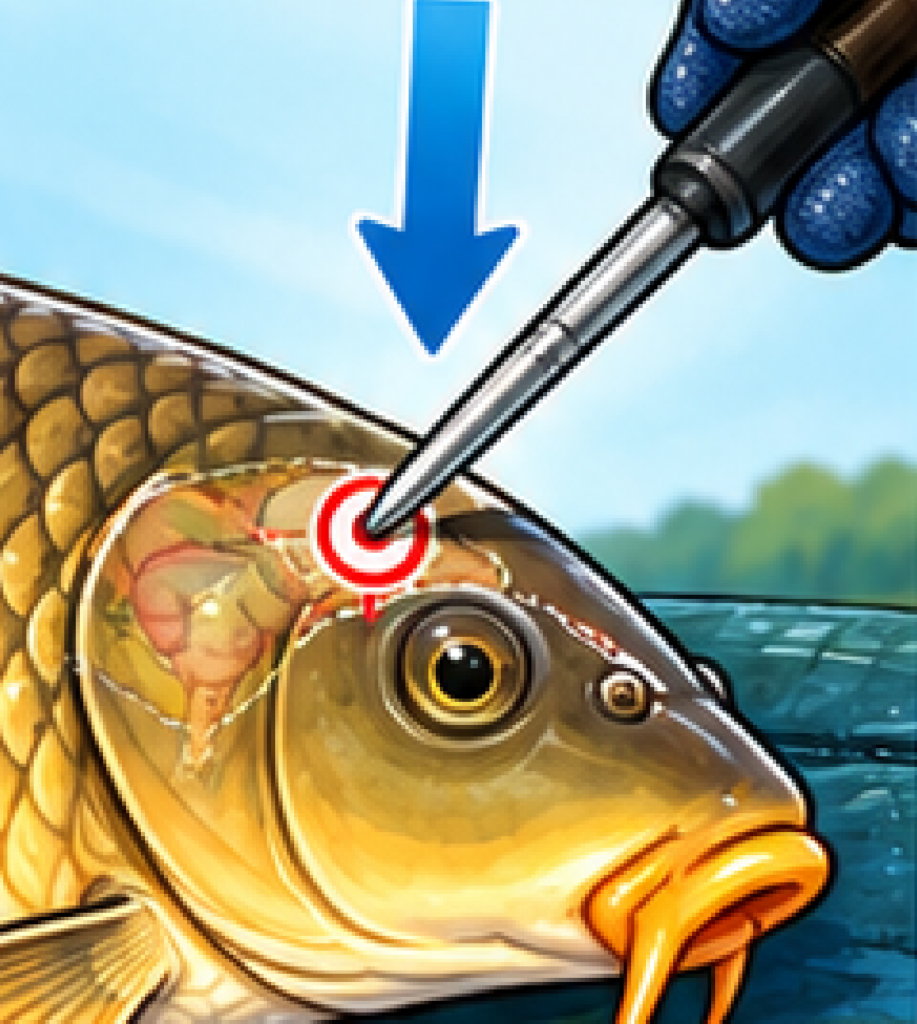
Using the verified anatomical reference, the trained adult quickly and firmly inserts the spike into the brain and destroys the brain tissue.
The procedure must be performed decisively, without repeated guessing or probing.
Step 4
CHECK RESULTS IMMEDIATELY
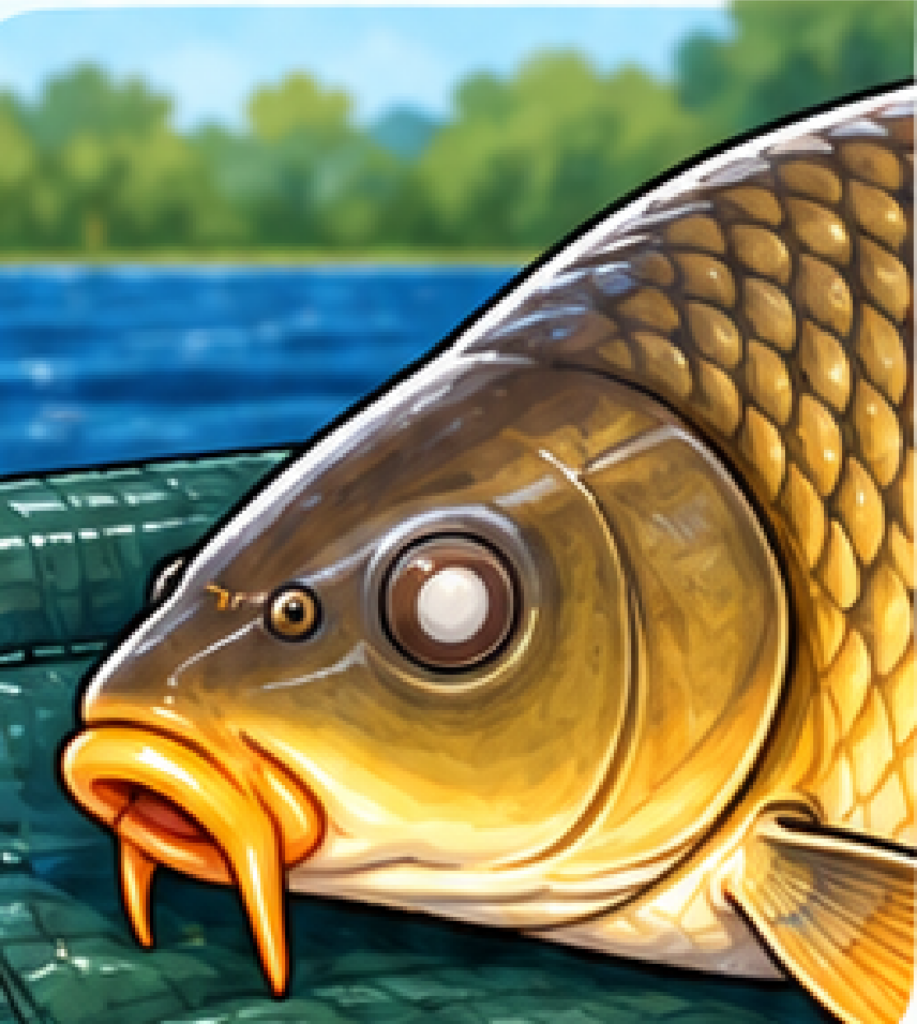
The adult checks that the procedure was effective and that the fish is dead before further handling.
If there is any doubt, immediate corrective action is necessary.
Why isn’t iki jime suitable for beginners to practise unsupervised?
Iki jime involves a sharp instrument and requires considerable accuracy.
Incorrect placement may injure a fish without rendering it unconscious.
A fish can also move unexpectedly, creating a serious puncture-injury risk.
For children and novice anglers, the best way to learn is by studying species-specific diagrams and watching a competent adult demonstrate the technique.
Never practise iki jime on a live fish to learn where the brain is located.
Learn from the experts
The Iki Jime website contains anatomical diagrams identifying the brain locations of many Australian fish species, including European carp.
These diagrams should be used to support instruction by an experienced adult.
How Do You Know a Fish Has Been Humanely Dispatched?
CORRECTLY DISPATCHING A FISH INVOLVES MORE THAN SIMPLY USING A TOOL
A competent adult must check that the fish has immediately lost consciousness, cannot regain consciousness and has subsequently died.
Signs the adult may assess include:
- Loss of normal coordinated movement and muscle tone.
- Absence of normal responses to stimulation.
- Absence of rhythmic gill movement and other signs of life.
- No evidence that consciousness is returning.
Some fish may continue to show involuntary muscle movements after brain destruction, so movement alone doesn’t necessarily indicate consciousness.
A fish becoming still is not, by itself, proof that it is dead.
The adult must use reliable assessment methods, and take immediate corrective action if there is uncertainty.
For children, the important lesson is simple:
If you’re unsure whether a fish has been properly dispatched, tell the responsible adult immediately.
Dispose – What Happens to the Carp Next?
DON’T LEAVE YOUR CATCH BEHIND
Once a carp has been humanely killed and its death confirmed, there’s another important decision to make.
What should happen to it?
Leaving dead carp on the bank or shoreline is not permitted in Victoria.
Discarded fish can create unpleasant odours, attract scavengers and affect the experience of other people visiting the waterway.
Take the fish away
At Fishcare events, the preferred approach is for dead carp to be collected and removed through the arrangements established by the event organisers.
Where appropriate, the fish may be:
- Used for food after safe processing.
- Collected for authorised processing or another beneficial use.
- Taken away for appropriate waste disposal
Appropriate Waste Disposal
Where an organised collection service isn’t available, dead carp can be taken away and disposed of through a suitable waste service.
Use secure bags or containers to prevent leakage, contamination and unpleasant smells.
Check local council waste requirements and never place fish in a recycling bin.
Returning a Dead Carp to the Water
The Victorian Fisheries Authority permits a dead European carp carcass to be returned to the water, provided it is cut so that it sinks.
This applies to a dead fish only.
A live European carp must never be returned to the water.
For children’s activities and organised community clinics, Fishcare encourages removing the fish from the site using the approved event disposal arrangements rather than returning carcasses to the water.
Any carcass preparation must be undertaken by a competent adult with appropriate equipment.
What Must You Never Do?
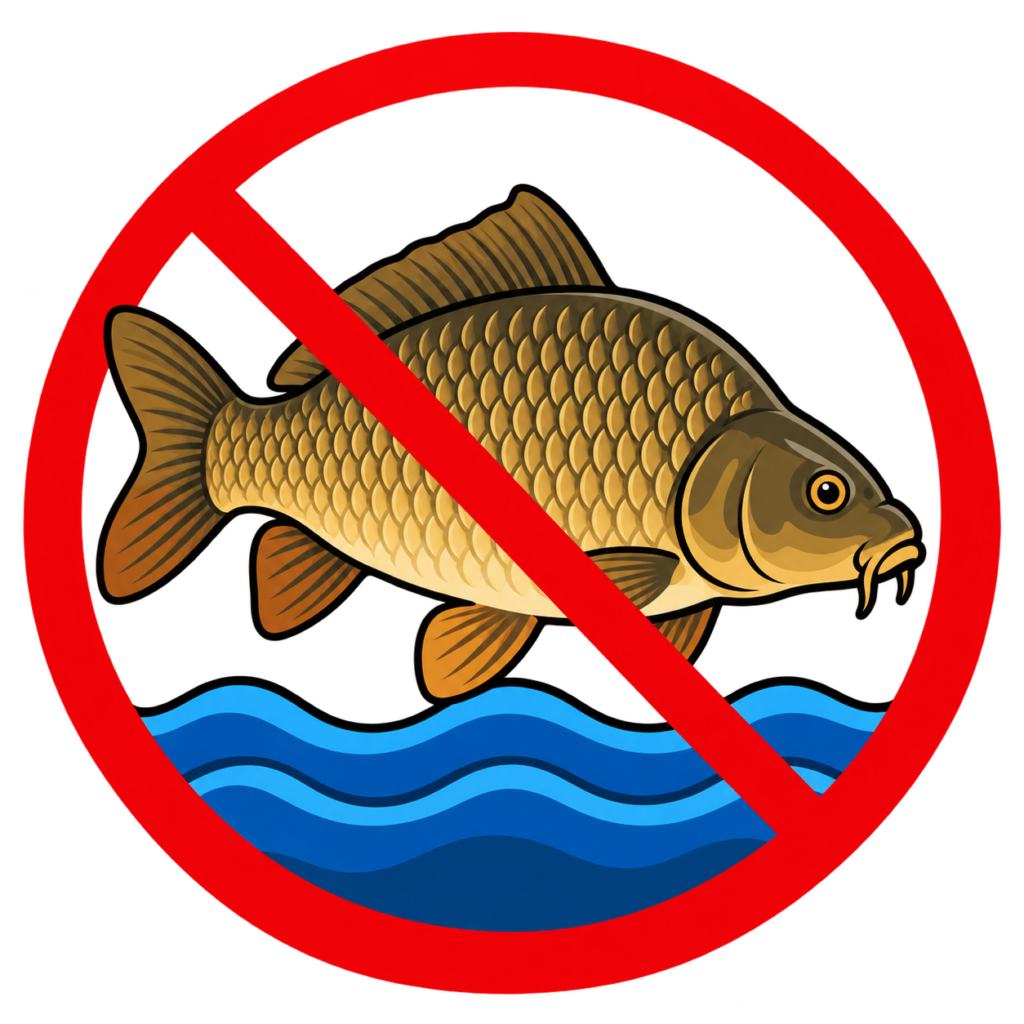
Never release live European carp back into the water.
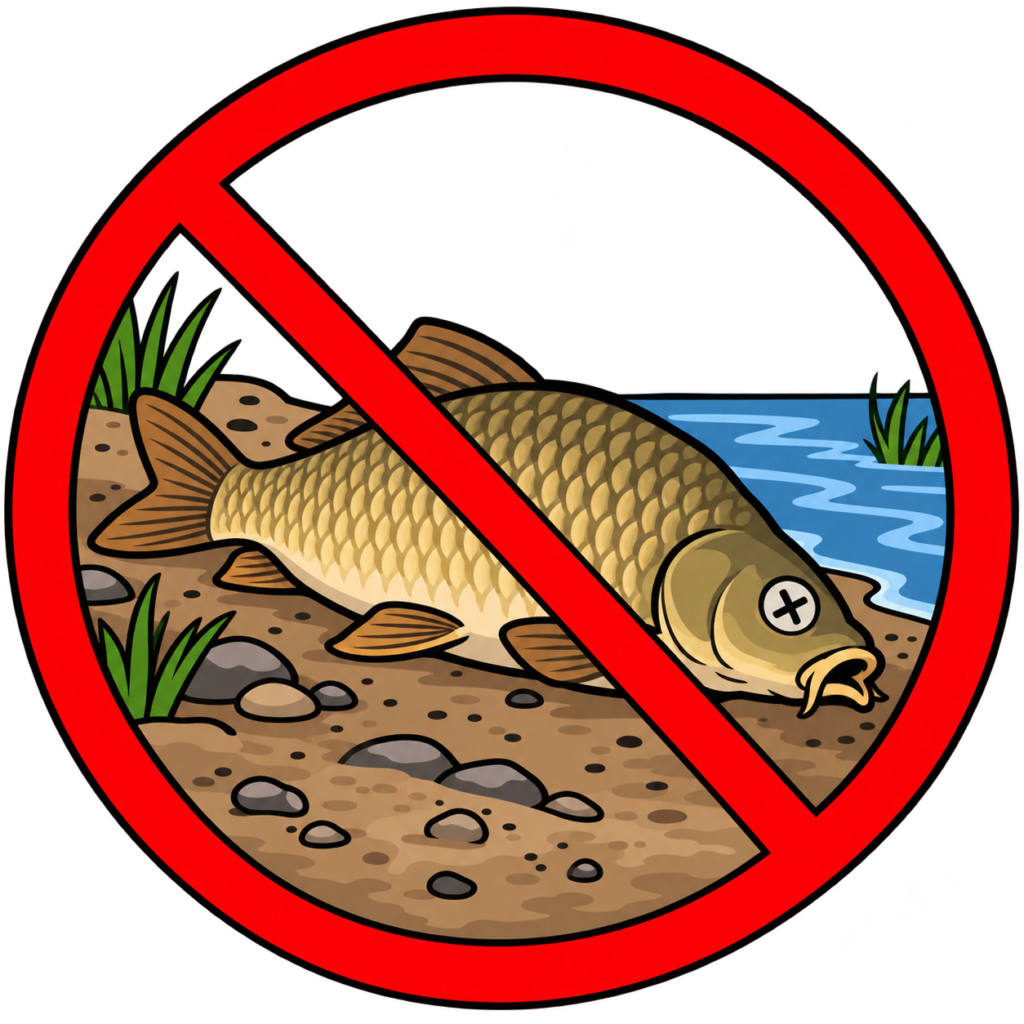
Never leave dead carp on the bank or shoreline.
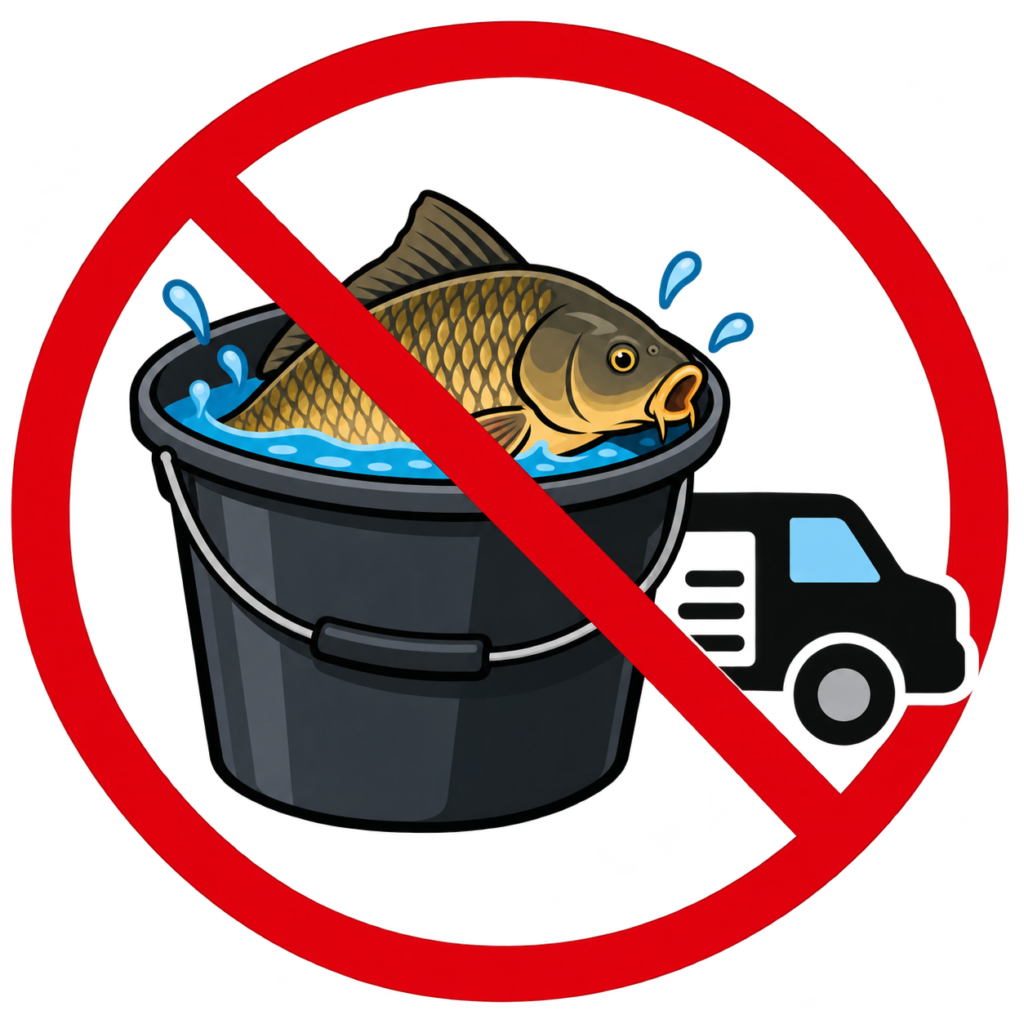
Never transport live carp without appropriate authorisation.
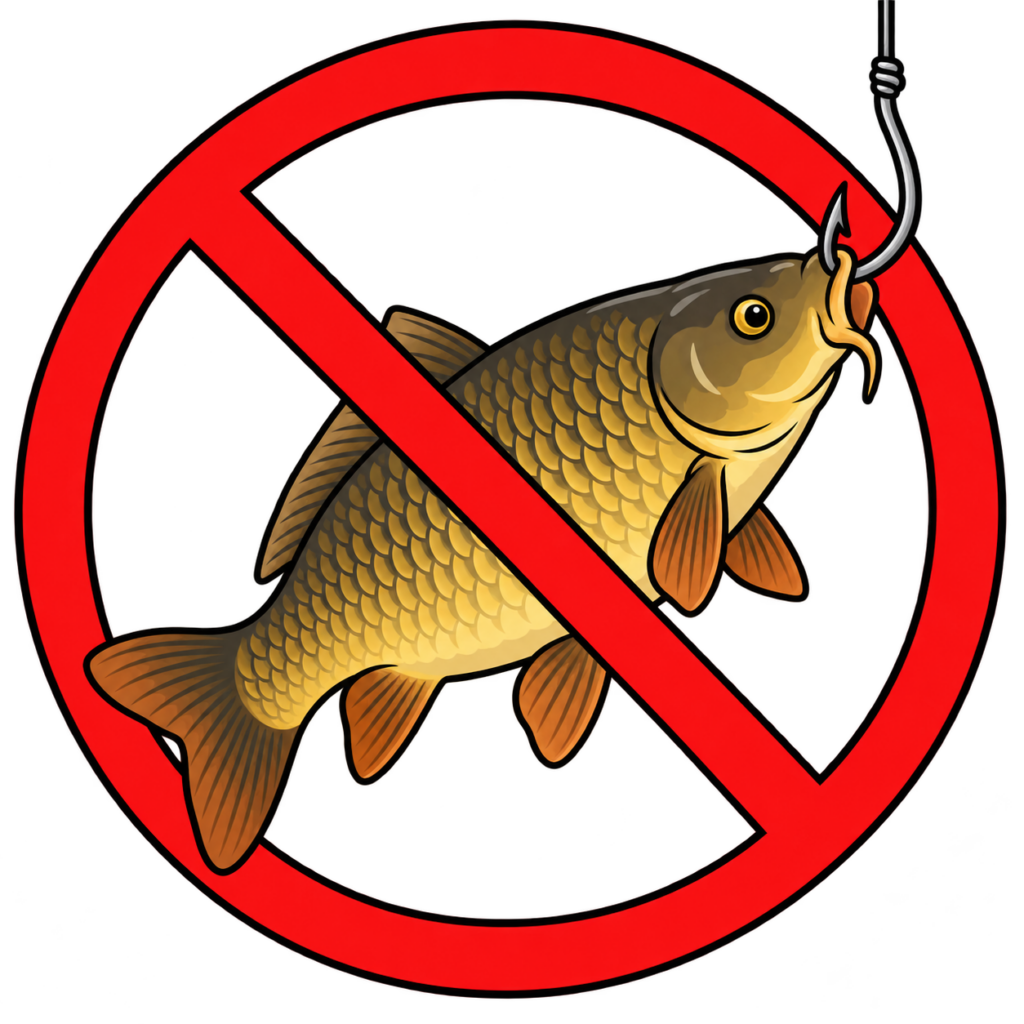
Never use live carp as fishing bait.
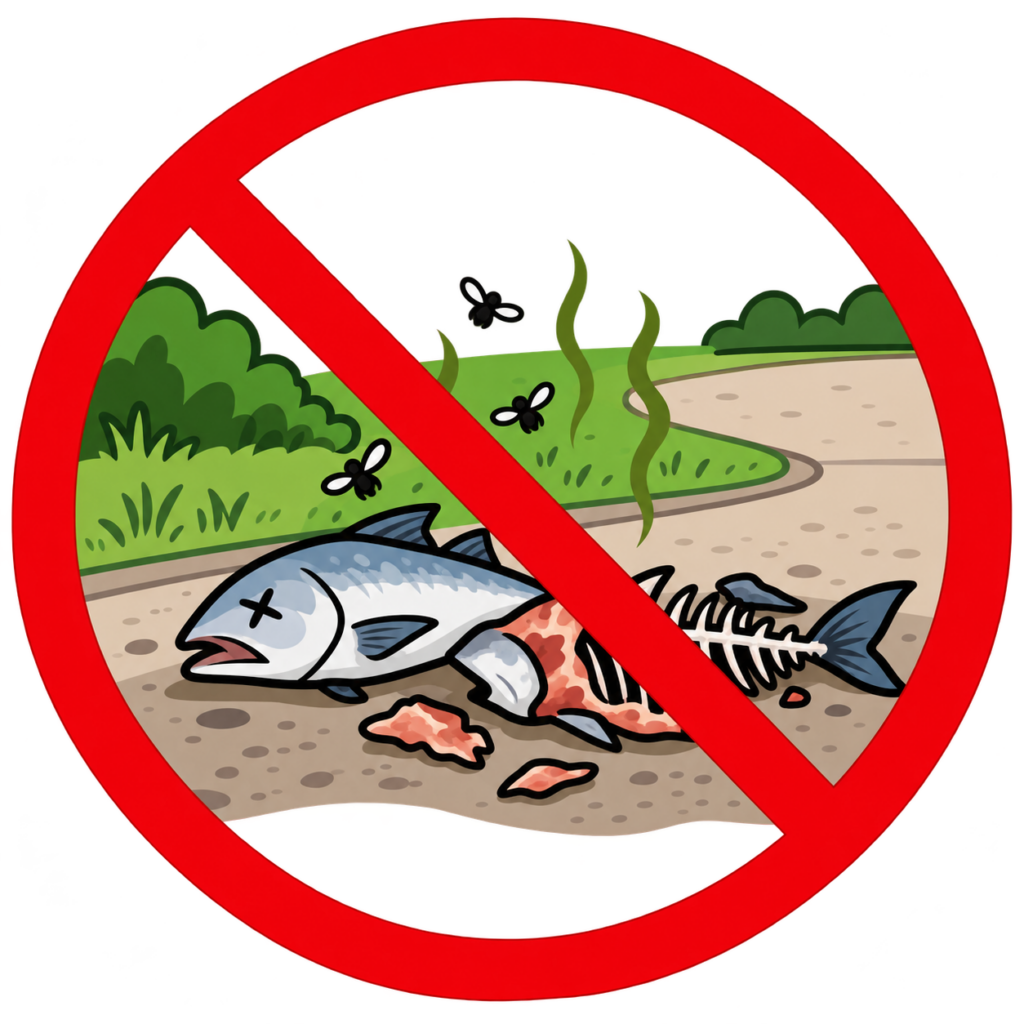
Never leave fish carcasses or waste where they could create a hazard or contaminate a public area.
Fish Smart Tip: Before you cast a line, make sure you already have a plan for what you’ll do if you catch a carp.
Respect – Leave No Trace
PROTECT THE PLACE THAT MAKES FISHING POSSIBLE
Being a responsible angler means looking after more than just the fish you catch.
It also means caring for the waterways, plants, animals and people around you.
A fishing trip should leave you with great memories — not a pile of rubbish for someone else to clean up!
Take your rubbish home
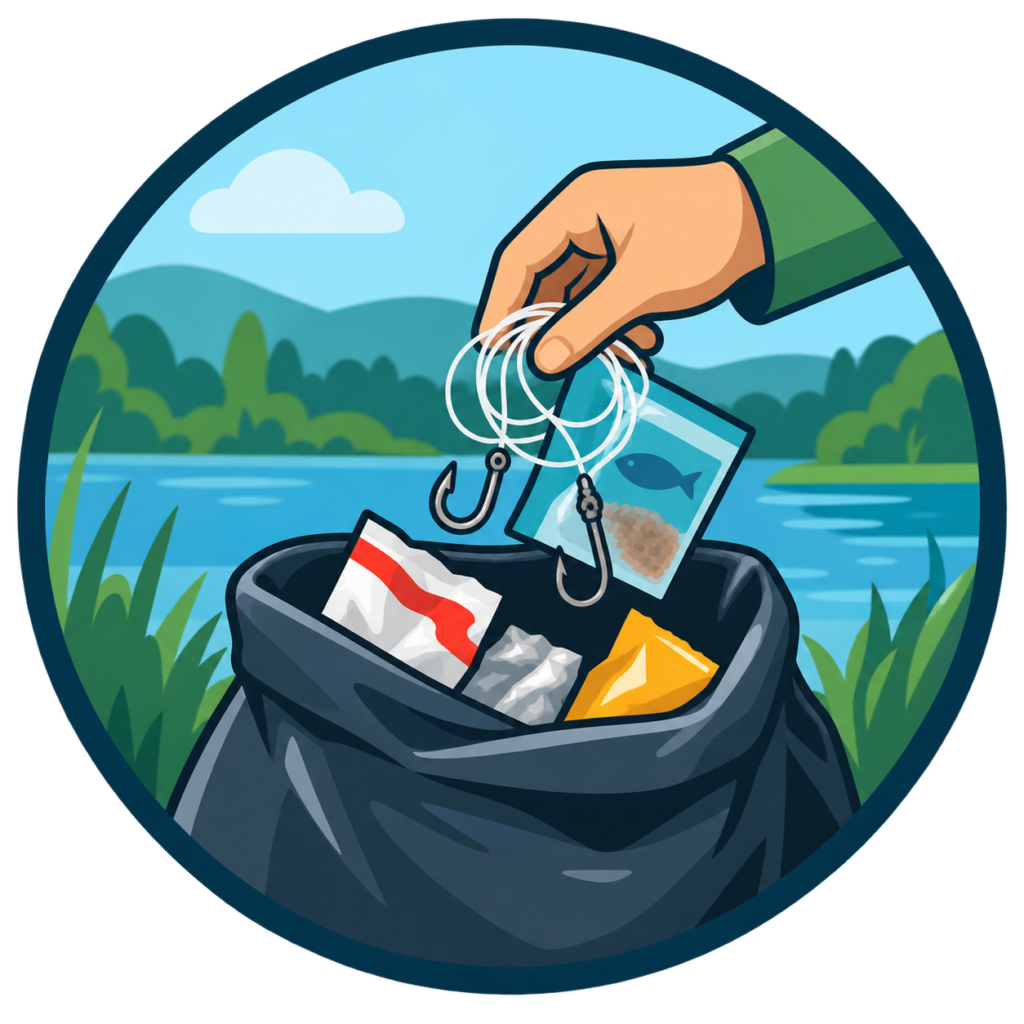
Fishing line, hooks, bait packets and food wrappers can be dangerous to wildlife.
Collect your rubbish and dispose of it appropriately.
Protect the plants
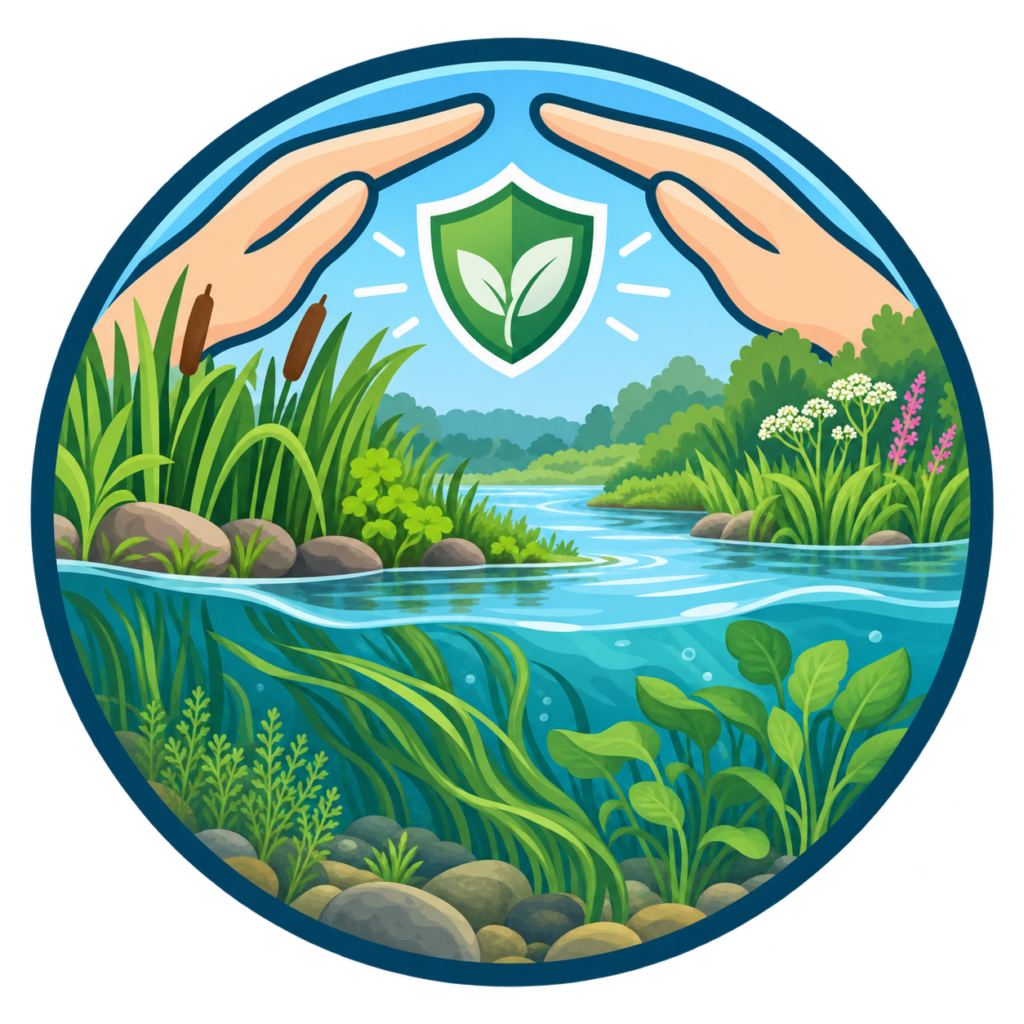
Aquatic plants provide food, shelter and breeding habitat for native fish and other aquatic animals.
Avoid trampling vegetation, damaging riverbanks or unnecessarily disturbing underwater plants.
Respect Wildlife
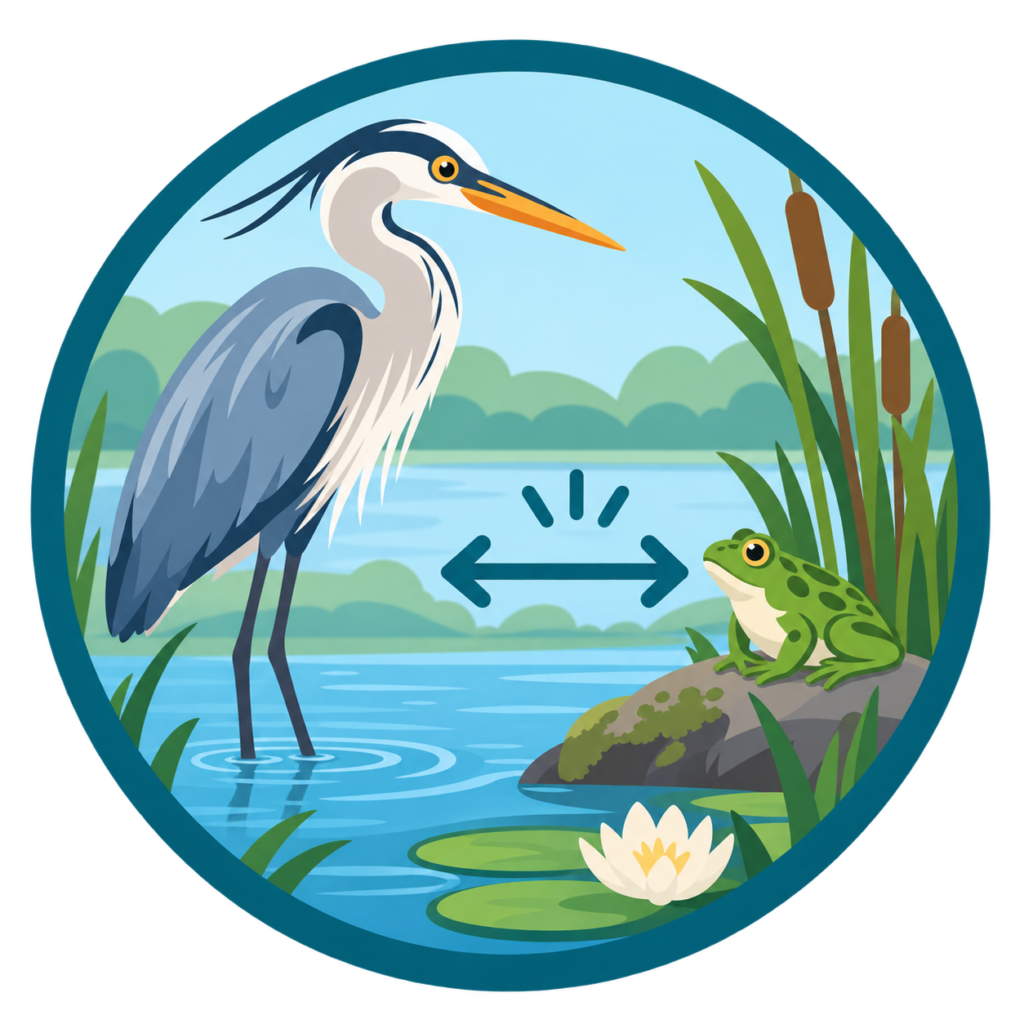
Give waterbirds, frogs, turtles and other wildlife plenty of space.
Never deliberately harm an animal or disturb nesting and breeding areas.
Share the waterway
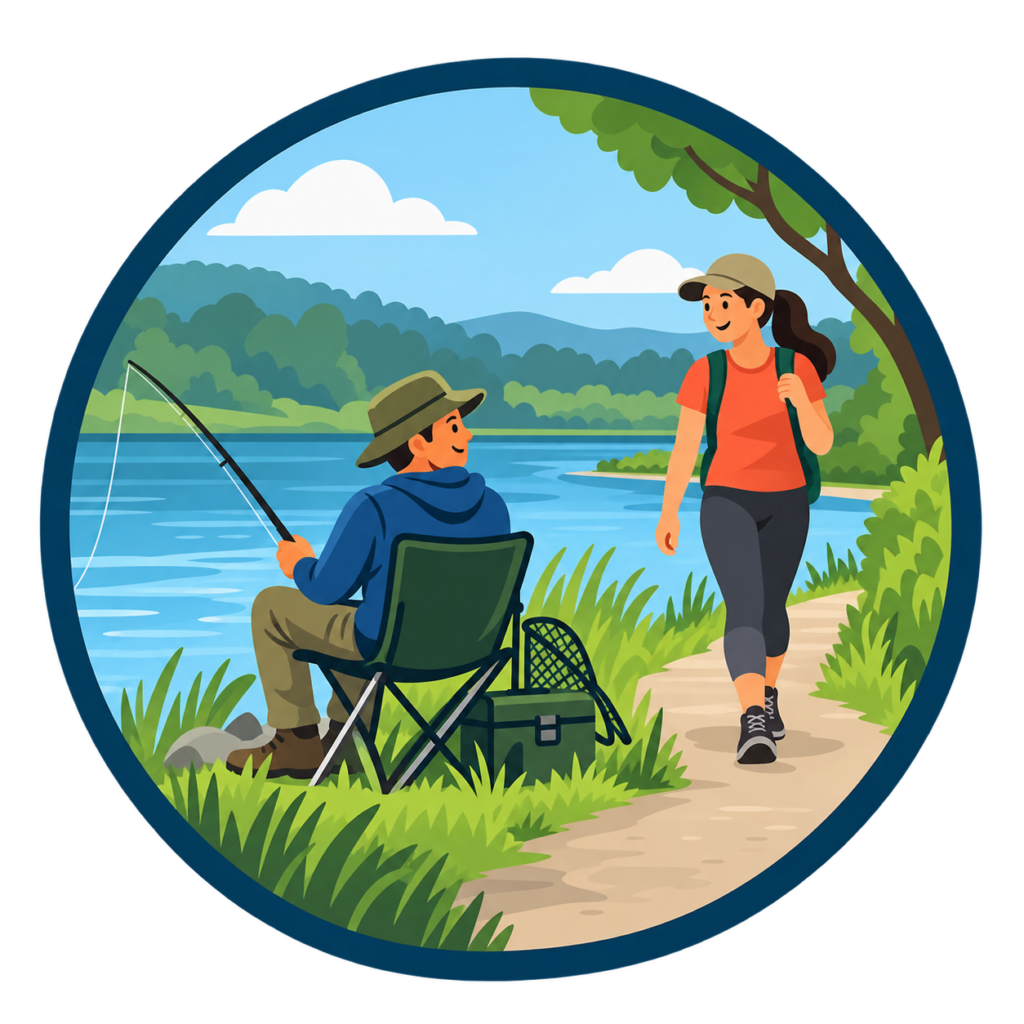
Be considerate of other anglers, walkers and visitors.
Keep your equipment tidy, be aware of people nearby and leave your fishing spot clean and safe.
Be proud of doing the right thing
Responsible fishing isn’t always about catching the biggest fish.
Sometimes it’s about making a thoughtful decision, helping someone learn or doing a little extra to protect the environment.
Every small action helps keep our waterways healthy for the next generation.
Catch responsibly.
Act humanely.
Protect our waterways.
Time to put your responsible fishing skills to the test!
Dispatch. Dispose. Respect. Quiz
Make safe, kind choices. Learn humane handling, adult supervision and responsible disposal.
Loading interactive quiz…