
Exploring Waterway Health and Fish Habitat
As part of Fishcare Victoria’s Catch a Carp events, OzFish will be delivering hands-on habitat and waterway health activities that help participants better understand what is happening beneath the surface of our rivers, lakes and wetlands.
OzFish works with recreational fishers and communities to restore fish habitat and improve waterways for future generations. At the Catch a Carp events, their activities will help connect people with the smaller, often unseen parts of aquatic ecosystems that play a big role in supporting healthy waterways and healthy fish populations.
Waterbug Identification Activities
OzFish will be bringing along a variety of waterbugs, along with identification sheets to help participants learn about the different critters that live in our waterways.
Waterbugs, also known as aquatic macroinvertebrates, are an important part of aquatic ecosystems. They are also a useful indicator of waterway health. By looking at the types and numbers of waterbugs found in a waterway, we can learn more about the condition of that waterway.
Different waterbugs have different levels of tolerance to changes in water quality. Some sensitive species need cleaner, healthier water to survive, while other more tolerant species can live in waterways where conditions are not as good.
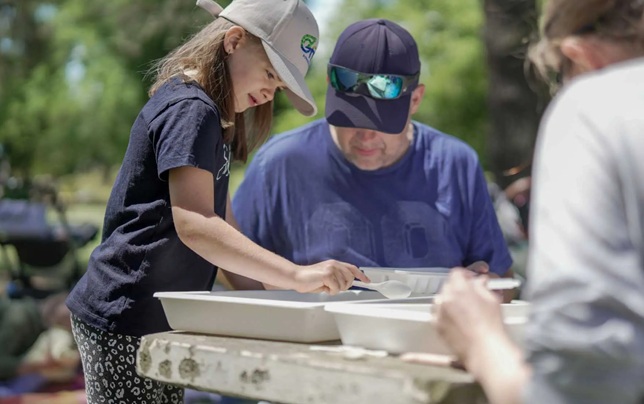
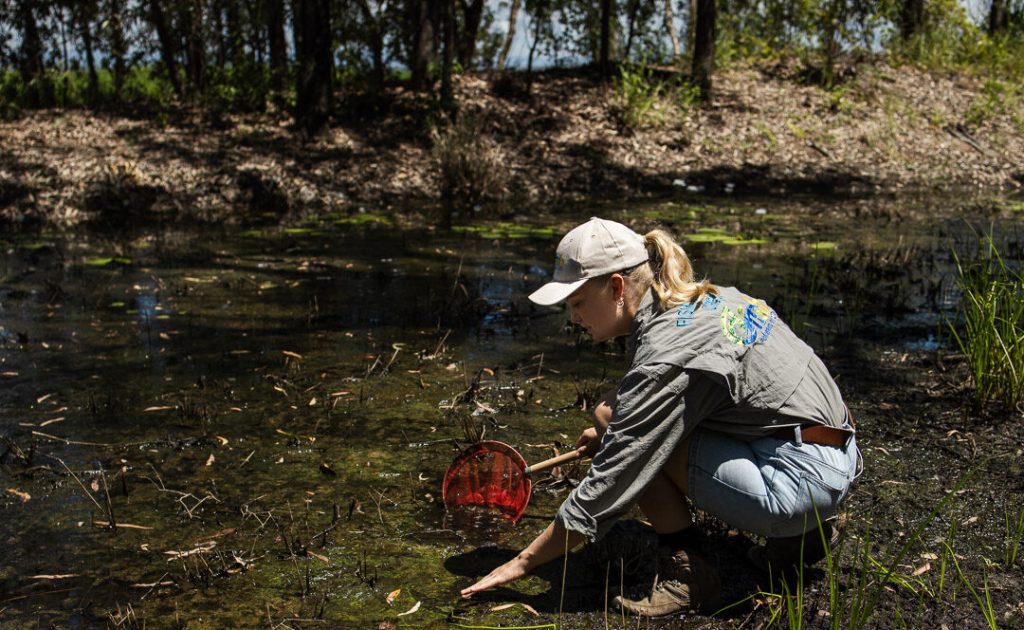
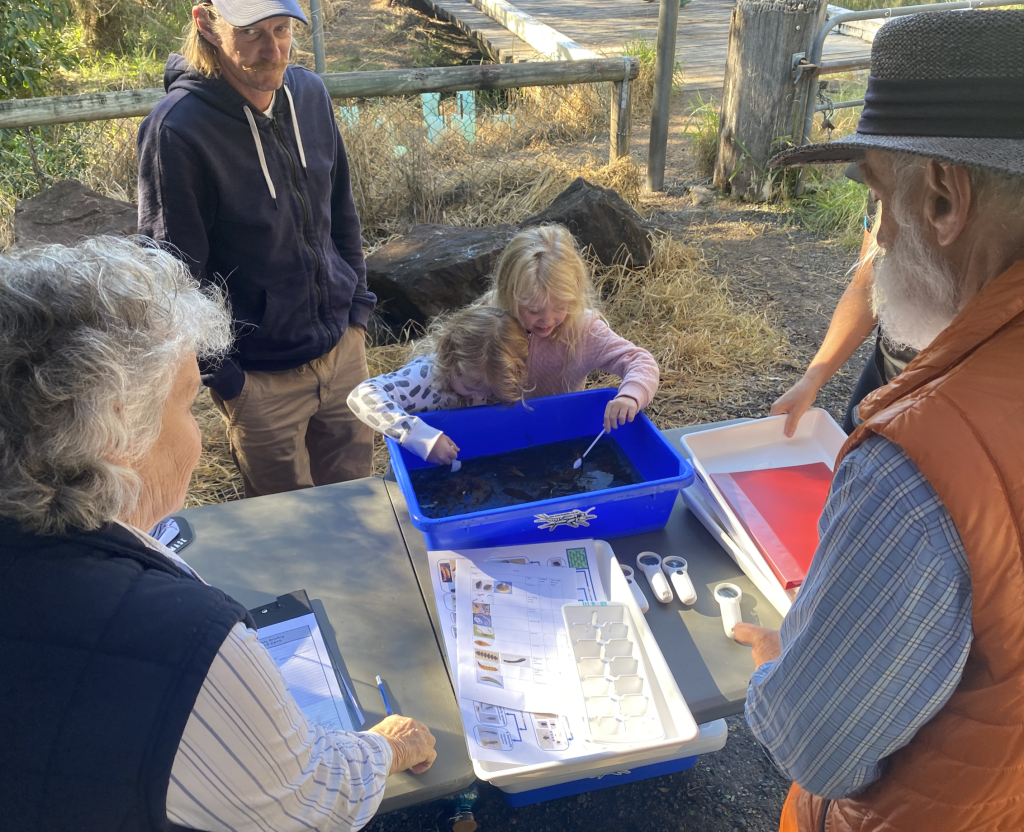
By identifying which waterbugs are present, participants can start to understand:
- what lives beneath the surface
- how waterbugs support aquatic food webs
- why some species are more sensitive than others
- how waterbugs can help indicate water quality
- what a healthy waterway might look like
These activities are a great way for families, children and community members to get up close with aquatic life and learn how even the smallest creatures can tell us something important about the health of our local waterways.
Why Waterbugs Matter
Waterbugs are an essential food source for many fish, frogs, birds and other aquatic animals. They also help break down organic matter, recycle nutrients and support the overall function of rivers, creeks, lakes and wetlands.
Because they live in the water and respond to changes in their environment, waterbugs can give us clues about water quality, habitat condition and ecosystem health.
At the Catch a Carp events, OzFish will help participants use waterbug identification as a simple and engaging way to explore these ideas.
Fish Hotels and Habitat Structures
OzFish will also be showcasing homemade fish hotels — wooden habitat structures designed to provide shelter for fish and small aquatic critters underwater.
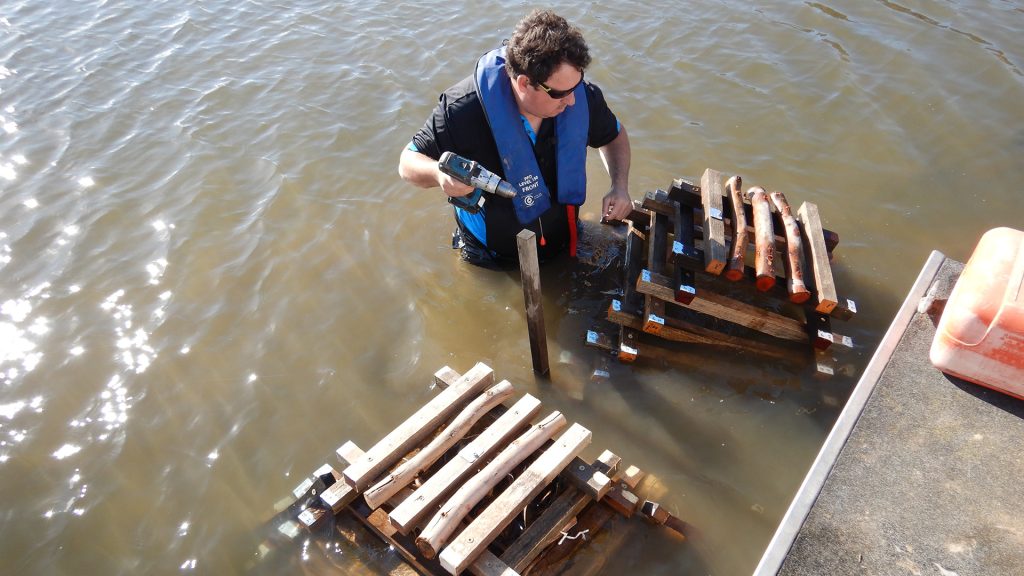
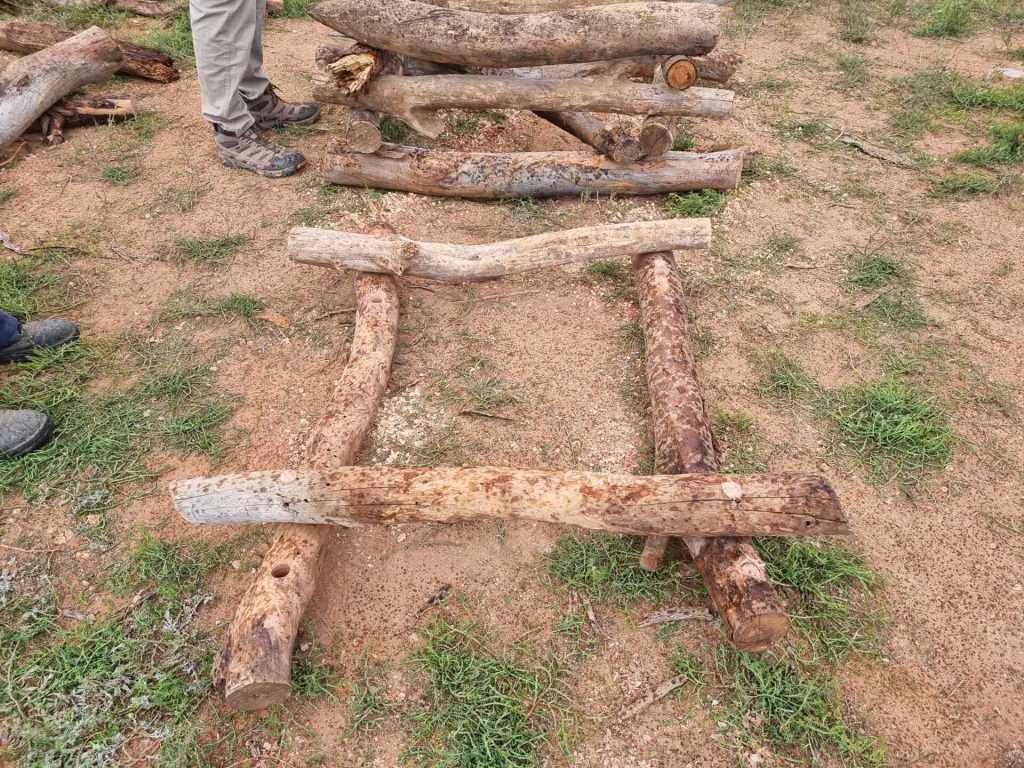
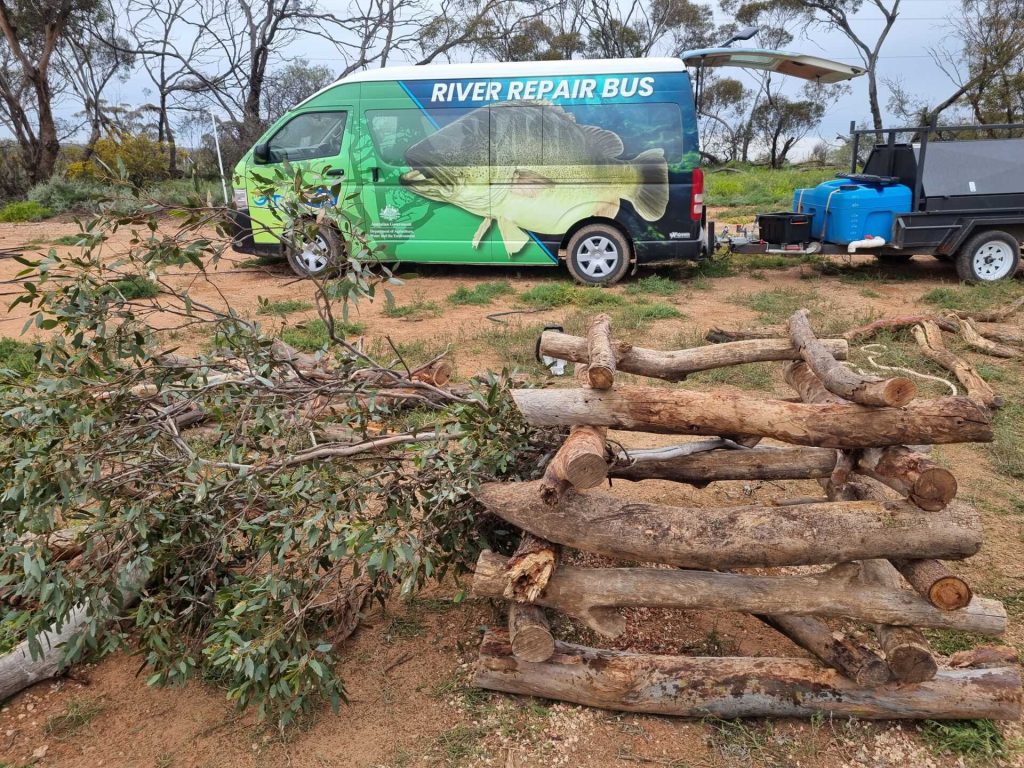
Fish hotels help create safe spaces in waterways where fish and other aquatic animals can shelter from predators, rest away from strong currents, and find places to feed or hide. These structures are particularly useful in waterways where natural habitat, such as fallen timber, snags, branches and aquatic vegetation, has been reduced.
By adding structure back into the water, fish hotels can help support:
- small native fish
- juvenile fish
- waterbugs and other aquatic life
- shelter and resting areas
- improved fish habitat
- stronger aquatic food webs
Better Habitat, Better Fishing
Healthy fish populations need healthy habitat. That means clean water, shelter, food sources, breeding areas and places for young fish to grow.
OzFish’s activities at the Catch a Carp events help show how habitat restoration can support better outcomes for fish, waterways and local communities. While carp removal is one part of improving waterway health, restoring habitat is another important piece of the puzzle.
Through waterbug activities and fish hotel demonstrations, participants can learn how small actions can contribute to healthier aquatic environments.
Come Along and Get Hands-On
OzFish’s waterbug and fish habitat activities will be part of selected Fishcare Victoria Catch a Carp events.
Come along to explore waterbugs, learn how to identify different aquatic critters, see how fish hotels work, and discover why habitat is so important for healthy waterways and better fishing.
These activities are suitable for families, children, beginner anglers, community members and anyone interested in fish, waterways, habitat restoration and aquatic life.
